
 By Atlantic Endo Medical Review Board
More than 38 million Americans are currently living with diabetes, yet studies consistently show that fewer than half meet their recommended blood sugar targets. That gap between diagnosis and control is not a failure of willpower. It is a gap in access to the right information, the right tools, and the right care team. Effective diabetes management closes that gap.
This article brings together the most current clinical guidance, including the American Diabetes Association’s 2026 Standards of Care, to give you a clear, actionable roadmap. Whether you were recently diagnosed or have been managing this condition for years, these strategies can meaningfully improve your outcomes.
Table of Contents
Key Takeaways
- Individualized HbA1c targets (typically 7.0-8.0% for most adults) are now preferred over a single universal goal to reduce hypoglycemia risk.
- Continuous glucose monitoring and automated insulin delivery technology are recommended early, including at diagnosis for type 1 diabetes.
- GLP-1 receptor agonists and SGLT2 inhibitors are now first-line choices when cardiovascular disease or chronic kidney disease is present.
- A structured lifestyle plan targeting 5-7% weight loss significantly improves blood sugar control in people with overweight or obesity.
- Multidisciplinary care, combining endocrinology, podiatry, cardiology, and nutrition, produces far better results than single-provider management.
What Modern Diabetes Management Actually Looks Like
The landscape of diabetes management has shifted dramatically over the past few years. Gone is the one-size-fits-all approach. Today, leading guidelines from the American Diabetes Association emphasize individualized care plans built around your specific health history, comorbidities, life expectancy, and personal goals.
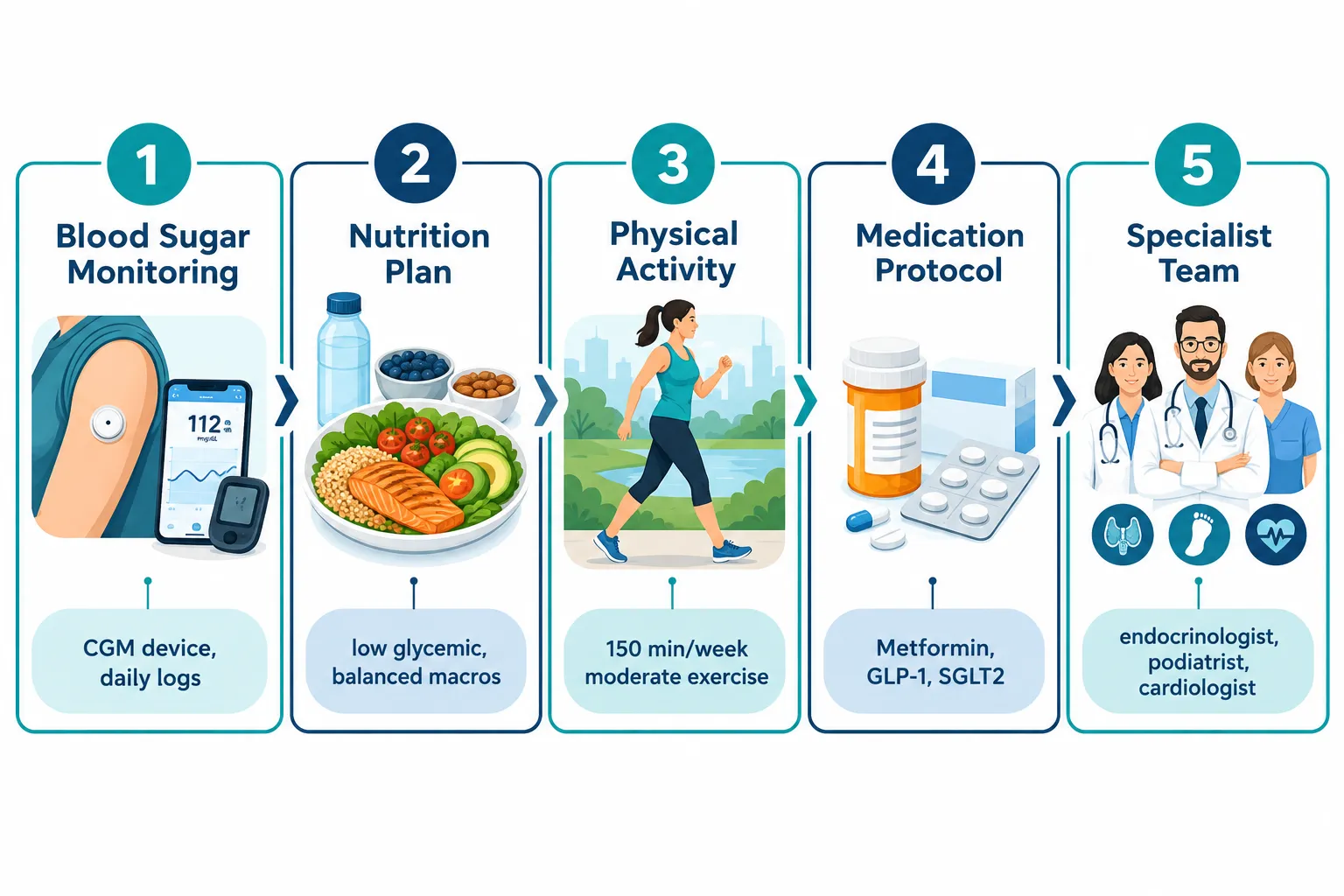
For most adults with type 2 diabetes, HbA1c targets now fall in the 7.0-8.0% range rather than a strict “below 7%” rule. This shift reflects growing evidence that aggressively pursuing near-normal glucose levels increases hypoglycemia risk and treatment burden without proportional benefit for many patients. The American College of Physicians reaffirmed this individualized approach in May 2026, reinforcing that your target should reflect your unique circumstances, not a population average.
Understanding who should be guiding your care is a critical first step. Learn more about what an endocrinologist does for diabetes and why specialized expertise matters for complex cases.
11 Strategies for Stronger Diabetes Management
1. Know Your Numbers, and What They Mean
Blood sugar management starts with measurement. Your HbA1c reflects your average glucose over roughly three months, but it does not tell the full story. Fasting glucose, post-meal spikes, and time-in-range data from continuous glucose monitoring (CGM) each reveal different aspects of your control.
Main metrics to track:
| Metric | Target Range (General) |
|---|---|
| HbA1c | 7.0-8.0% (individualized) |
| Fasting blood glucose | 80-130 mg/dL |
| Post-meal glucose (2 hrs) | Less than 180 mg/dL |
| Time in range (CGM) | Greater than 70% |
Work with your endocrinologist to establish targets that are right for you specifically.
2. Embrace Continuous Glucose Monitoring Technology
The 2026 ADA Standards of Care place strong emphasis on CGM technology, recommending it be considered early, including at diagnosis, for both type 1 and selected type 2 diabetes patients. CGM devices provide real-time glucose readings, trend arrows, and alerts for dangerous highs and lows.
Automated insulin delivery (AID) systems, which pair CGM with insulin pumps, represent the current gold standard for type 1 management. These systems reduce hypoglycemia and improve overall glycemic control with less daily effort from patients.
If you have been managing it without a CGM, ask your provider whether you qualify. Many insurance plans, including Medicare and Medicaid, now cover these devices.
3. Start or Optimize Medication Promptly
For type 2 diabetes, current ADA guidance recommends initiating metformin at or shortly after diagnosis alongside lifestyle changes, unless there is a medical reason not to. Metformin remains safe, effective, and well-studied.
Beyond metformin, medication selection is now driven by your cardiovascular and kidney health profile:
- GLP-1 receptor agonists (such as semaglutide, liraglutide, and dulaglutide): Recommended when cardiovascular disease or high cardiovascular risk is present. They also support meaningful weight loss.
- SGLT2 inhibitors: Prioritized when chronic kidney disease or heart failure is present due to their proven organ-protective effects.
Both drug classes are now considered cardiorenal-protective therapies, meaning they are chosen for their organ benefits independent of baseline HbA1c. This represents a major philosophical shift in how clinicians approach treatment decisions.
Curious about a specific medication? Read our overview on whether metformin is ever used without a diabetes diagnosis.
4. Prioritize Structured Lifestyle Changes
The 2026 ADA Standards set a specific weight loss target of 5-7% of baseline body weight for people with overweight or obesity. This level of weight reduction has been shown to meaningfully improve insulin sensitivity, lower HbA1c, and reduce cardiovascular risk.
A structured lifestyle plan includes:
- Dietary changes: Focus on low-glycemic index foods, adequate fiber, lean proteins, and reduced refined carbohydrates. No single diet is universally best, Mediterranean, low-carb, and plant-based approaches all show evidence of benefit.
- Physical activity: At least 150 minutes of moderate-intensity aerobic exercise per week, plus resistance training two to three times weekly.
- Sleep and stress management: Chronic stress and poor sleep directly impair glucose regulation through cortisol and other hormonal pathways.
For a deeper look at how movement affects blood sugar, see our guide on how exercise helps with managing diabetes.
5. Work With a Comprehensive Weight Management Program
Weight management is not simply about eating less. For people with this condition, it involves hormonal recalibration, behavioral strategies, and sometimes pharmacological support. Medications like semaglutide have demonstrated significant blood sugar and weight benefits in clinical trials.
A comprehensive weight management program addresses the full picture, metabolic rate, body composition, nutritional counseling, and behavioral support, rather than focusing on the scale alone.
6. Protect Your Heart and Kidneys Proactively
It is the leading cause of chronic kidney disease and a major driver of cardiovascular events. The shift toward cardiorenal-protective medications reflects how central these risks are to long-term diabetes outcomes.
Regular monitoring should include:
- Annual urine albumin-to-creatinine ratio (kidney function)
- Lipid panel and blood pressure checks
- Cardiovascular risk assessment
Atlantic Endocrinology’s on-site cardiology services, led by Dr. Ovidiu A. Krausz, a cardiologist with over 20 years of experience, allow for seamless coordination between your diabetes and heart care in one location.
7. Never Neglect Your Feet
Diabetic neuropathy affects roughly half of all people with long-standing diabetes, and foot complications are among the most common reasons for diabetes-related hospitalizations. Annual comprehensive foot exams are a standard of care requirement, not optional.
Signs that warrant prompt evaluation include numbness, tingling, burning, changes in skin color, or slow-healing wounds. Dr. David Tetrokalashvili, our board-certified podiatrist, specializes in advanced diabetic foot care and is available at our Queens and Brooklyn locations.
8. Protect Your Vision With Regular Screening
Diabetic retinopathy is the leading cause of preventable blindness in working-age adults. It often causes no symptoms until significant damage has occurred. Annual dilated eye exams, or digital fundoscopy, available at Atlantic Endocrinology, are essential for early detection and intervention.
9. Understand and Prevent Hypoglycemia
Low blood sugar (hypoglycemia) is one of the most immediate dangers in diabetes management, particularly for people on insulin or certain oral medications. Recognizing early symptoms, shakiness, sweating, confusion, rapid heartbeat, and having a response plan is critical.
For practical daily strategies, our resource on living with hypoglycemia and daily management tips offers detailed, actionable guidance.
10. Address Mental Health as Part of Your Care Plan
Diabetes distress and depression affect a significant proportion of people with this condition and are strongly associated with worse glycemic control. Yet mental health is rarely discussed in routine appointments.
Effective diabetes management must acknowledge the emotional weight of living with a chronic condition. Ask your care team about behavioral health resources, and do not hesitate to raise mental health concerns at your appointments.
11. Build a Multidisciplinary Care Team
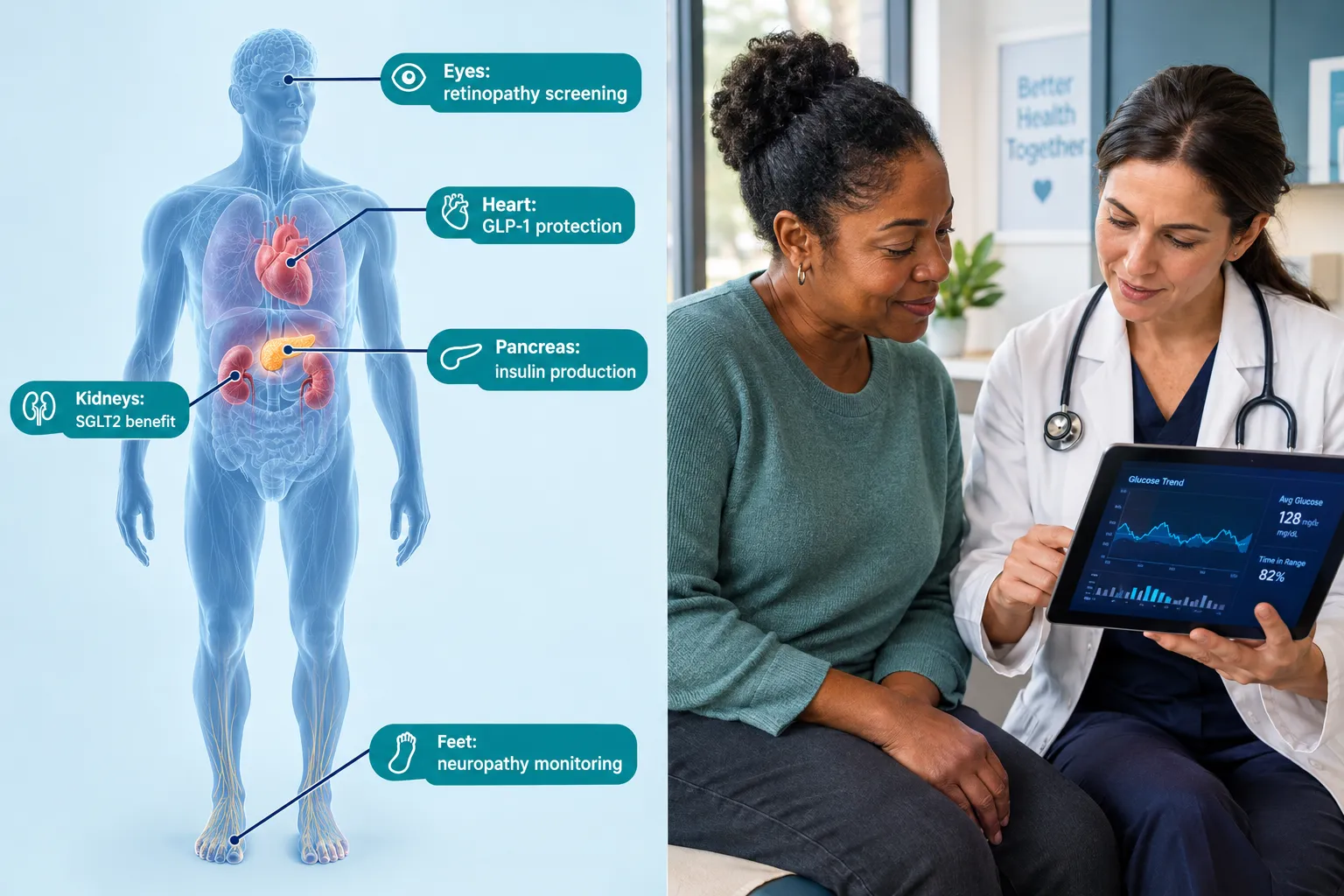
No single provider can optimally manage every dimension of diabetes. The most effective care models bring together:
- An endocrinologist for hormonal and metabolic expertise
- A podiatrist for foot health
- A cardiologist for cardiovascular risk management
- A registered dietitian for nutritional guidance
- A neurologist when neuropathy is present
- An ophthalmologist or digital fundoscopy service for eye health
Atlantic Endocrinology & Diabetes Center offers all of these specialties under one roof across our Queens and Brooklyn locations. This integrated model means your providers share information and coordinate your care directly, a significant advantage over fragmented care across multiple unconnected offices.
To find the right starting point, read our guide on what is the best doctor to see for diabetes and how to navigate specialist referrals.
Advanced Diagnostics That Change the Picture
Standard lab work tells only part of the story. At Atlantic Endocrinology, we offer advanced diagnostic tools that provide deeper insight:
- Sudomotor Scan: Assesses small fiber nerve function, detecting early neuropathy before symptoms appear
- Nerve Conduction Test: Evaluates peripheral nerve damage
- Digital Fundoscopy: Screens for diabetic retinopathy without dilation
- Body Composition Analysis: Distinguishes fat mass from lean mass to guide weight management
- Resting Metabolic Rate Test: Personalizes caloric targets based on your actual metabolism
- ANS Monitoring: Evaluates autonomic nervous system function, often affected in long-standing diabetes
These tools allow our team to detect complications earlier and tailor treatment more precisely than standard office visits alone permit.
Why Specialized Endocrinological Care Matters
Primary care plays a vital role in diabetes management, but endocrinologists bring a level of hormonal and metabolic expertise that is particularly valuable for complex or difficult-to-control cases. Dr. Stella Ilyayeva, M.D., leads our practice with over 20 years of specialized experience in diabetes and endocrine disorders.
If you are in Queens or Brooklyn and looking for dedicated specialist support, our endocrinologist specializing in diabetes in New York page outlines exactly what to expect from a first consultation.
We accept a wide range of insurance plans including Medicare, Medicaid, Aetna, United Healthcare, EmblemHealth, Healthfirst, Fidelis Care, and many others, making specialized care accessible to as many patients as possible.
FAQs
What is the recommended HbA1c target for most adults with type 2 diabetes in 2026?
Current guidance from both the American Diabetes Association and the American College of Physicians recommends an individualized HbA1c target in the 7.0-8.0% range for most adults. A strict universal goal of below 7% is no longer recommended for everyone because it increases hypoglycemia risk and treatment burden without proportional benefit for many patients. Your specific target should be set in consultation with your endocrinologist based on your age, comorbidities, life expectancy, and personal preferences.
When should GLP-1 receptor agonists or SGLT2 inhibitors be added to a diabetes treatment plan?
Both drug classes are now recommended as priority additions when cardiovascular disease, high cardiovascular risk, or chronic kidney disease is present, independent of whether blood sugar is already near target. SGLT2 inhibitors are particularly favored for kidney and heart protection, while GLP-1 receptor agonists offer cardiovascular benefit and meaningful weight loss.
Does exercise genuinely improve blood sugar control?
Yes, and the evidence is robust. Regular physical activity improves insulin sensitivity, lowers HbA1c, supports weight management, and reduces cardiovascular risk, all critical components of effective diabetes management. The ADA recommends at least 150 minutes of moderate-intensity aerobic activity per week, combined with resistance training. Even short walks after meals have been shown to blunt post-meal glucose spikes. Read more about how exercise helps with diabetes care.
What insurance plans cover diabetes care at Atlantic Endocrinology?
Atlantic Endocrinology accepts a broad range of insurance plans including Medicare, Medicaid, Aetna, United Healthcare, EmblemHealth, Healthfirst, Fidelis Care, Cigna, Empire Blue Cross Blue Shield, Humana, and many others. Nutrition counseling for diabetes is also a covered benefit under Medicare for eligible patients. For a full overview of coverage options, visit our Medicare and nutrition counseling for diabetes resource page. To confirm your specific coverage, contact our office at (718) 275-2900.
References
- American Diabetes Association. (2026). Standards of Care in Diabetes, 2026. Diabetes Care. https://diabetesjournals.org/care
- American College of Physicians. (2023). Hemoglobin A1c Targets for Glycemic Control with Pharmacologic Therapy for Nonpregnant Adults with Type 2 Diabetes Mellitus. Annals of Internal Medicine. https://www.acpjournals.org
- National Institute for Health and Care Excellence. (2022). Type 2 diabetes in adults: management (NG28). NICE. https://www.nice.org.uk/guidance/ng28
- Centers for Disease Control and Prevention. (2024). National Diabetes Statistics Report. CDC. https://www.cdc.gov/diabetes/data/statistics-report/index.html
- National Institutes of Health, National Institute of Diabetes and Digestive and Kidney Diseases. (2023). Diabetes Overview. NIDDK. https://www.niddk.nih.gov/health-information/diabetes/overview
- American Diabetes Association. (2023). Pharmacological Approaches to Glycemic Treatment: Standards of Medical Care in Diabetes. Diabetes Care, 46(Supplement 1). https://diabetesjournals.org/care/issue/46/Supplement_1
Medical and Editorial Commitment
The content of this article is strictly for educational and informational purposes. It does not replace in-person professional medical diagnosis, advice, or treatment..
Read Privacy PolicyRelated Posts

What Are the Signs of Glaucoma? A Complete Guide to Symptoms, Risks, and When to Act
Over 3 million Americans are living with glaucoma right now, and roughly half of them do not know it. That is the [...]

How to maintain or gain weight with hyperthyroidism?
Struggling to keep weight on with hyperthyroidism? According to American Thyroid Association, this condition speeds up metabolism, making it challenging to maintain [...]