
 By Atlantic Endo Medical Review Board
Facing a blood sugar reading of 400 can be alarming, leaving you wondering what steps to take next. Is it an emergency? How should you respond to avoid complications? In this guide, we’ll break down exactly what to do if your blood sugar is 400, covering essential actions and long-term strategies to regain control. Stay tuned to learn how to handle this critical situation with confidence.
Contact a diabetes specialist doctor in Queens for help today!
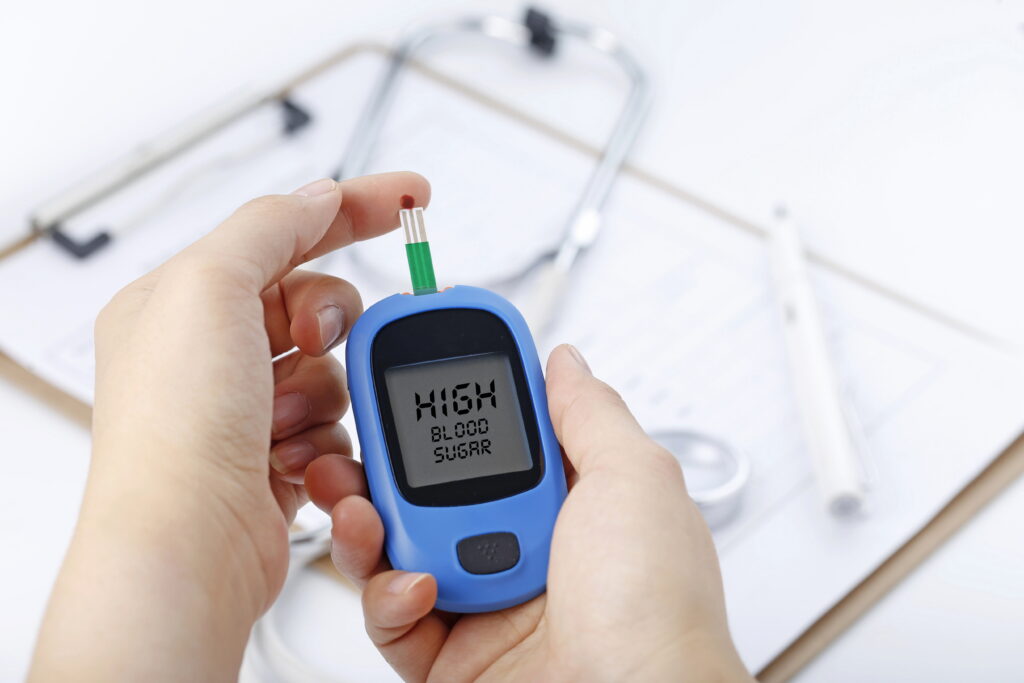
Hand holding a blood glucose meter measuring blood sugar, the background is a stethoscope and chart file
Table of Contents
What Are the Immediate Steps to Take If My Blood Sugar is 400?
If your blood sugar levels reach 400, it’s essential to act quickly and responsibly to bring them down safely. Follow these immediate steps:
- Stay Calm and Double-Check Your Blood Sugar
First, confirm the reading with your glucose meter. If you’re using a continuous glucose monitor (CGM), verify the result with a fingerstick test. Calibration or a second reading can help ensure accuracy.
- Take Rapid-Acting Insulin (If Prescribed)
If you have a prescription for rapid-acting insulin, administer the correction dose as instructed by your doctor. Do not adjust the dose on your own unless you’ve been given specific instructions.
- Stay Hydrated
Drink plenty of water to help your body flush out excess glucose through urine. Avoid sugary or caffeinated drinks, as they may worsen dehydration and blood sugar levels.
- Avoid Strenuous Activity
While exercise is generally good for blood sugar control, avoid it when levels are this high. Physical activity could make things worse, especially if ketones are present in your system.
- Check for Ketones
Use ketone test strips (urine or blood) to check for ketones. High levels of ketones paired with elevated blood sugar could signal diabetic ketoacidosis (DKA), a dangerous condition that requires immediate medical intervention.
How to Safely Lower Your Blood Sugar Fast?
According to University of Rochester Medicine, managing high blood sugar levels requires a careful and methodical approach to ensure safety while bringing levels down effectively. Follow these practical and safe strategies to reduce blood sugar quickly:
- Drink Water: Hydration helps your kidneys flush out excess sugar through urine. Drink water consistently in small sips to aid this process, avoiding large amounts at once.
- Engage in Moderate Physical Activity: Light to moderate exercise, such as walking or cycling, encourages muscles to use excess glucose for energy. Avoid intense workouts if your blood sugar is above 240 mg/dL, as this could lead to ketone buildup and increase the risk of ketoacidosis.
- Eat High-Fiber Foods: Incorporate soluble fiber-rich foods like oatmeal, apples, or chia seeds to slow glucose absorption and stabilize blood sugar levels. Pairing these with a protein-rich snack can further support balance.
- Avoid Sugary and Processed Foods: Stay away from simple carbohydrates and refined sugars when blood sugar is elevated. Instead, focus on meals with complex carbs, lean proteins, and healthy fats to prevent further spikes.
- Monitor Your Blood Sugar Levels: Use a glucose monitor to track changes in your blood sugar levels. Regular monitoring ensures you can assess the effectiveness of your actions and avoid overcorrecting.
When to Call a Doctor About High Blood Sugar?
High blood sugar, or hyperglycemia, can lead to severe complications if not addressed promptly. It’s crucial to recognize when medical intervention is necessary to safeguard your health.
Critical Symptoms Requiring Immediate Attention
If you experience severe symptoms such as extreme thirst, frequent urination, nausea, vomiting, abdominal pain, or rapid breathing, it may indicate diabetic ketoacidosis (DKA), a life-threatening emergency. Confusion, disorientation, or blood sugar levels consistently above 300 mg/dL, despite corrective measures like insulin, are also red flags that require immediate medical care.
Persistent or Chronic High Blood Sugar
Frequent episodes of hyperglycemia should prompt you to consult your healthcare provider. Persistent high readings may indicate that your current diabetes management plan is no longer effective and needs adjustment. Failing medications, dietary challenges, or stress could be contributing factors. Chronic hyperglycemia can result in complications such as eye, kidney, or nerve damage, highlighting the need for regular follow-ups.
What You Can Do Before Calling a Doctor
- Monitor Blood Sugar Levels: Keep a detailed log of readings to help your doctor identify patterns.
- Address Temporary Causes: Evaluate if illness, stress, or recent dietary changes are contributing to the issue.
- Check for Ketones: If you detect ketones in your urine alongside high blood sugar, seek immediate medical attention, as this could signal a worsening emergency.
As suggested by Johns Hopkins Medicine, recognizing when to call your doctor is a vital part of managing high blood sugar and preventing serious complications.
Tips to Prevent Future Blood Sugar Spikes
To prevent blood sugar spikes, focus on a balanced diet rich in fiber, lean proteins, and healthy fats while limiting refined carbs and sugary foods. Practice portion control using smaller plates and balanced meal proportions.
Stick to a consistent eating schedule with smaller, balanced meals throughout the day. Regular exercise, staying hydrated, and managing stress and sleep are also essential to maintaining stable blood sugar levels.
Frequently Asked Questions
What happens if my blood sugar goes over 400?
A blood sugar level over 400 mg/dL is considered dangerously high and may lead to severe dehydration, diabetic ketoacidosis (DKA), or hyperosmolar hyperglycemic state (HHS). Symptoms can include confusion, nausea, rapid breathing, and extreme thirst. Immediate medical attention may be needed.
Is a sugar level of 400 a medical emergency?
Yes, a blood sugar level of 400 mg/dL can be a medical emergency, especially if accompanied by vomiting, shortness of breath, drowsiness, or abdominal pain. It may signal a serious diabetic complication that requires urgent treatment
What to do immediately if blood sugar is high?
Drink water, avoid sugary foods or drinks, and follow your doctor’s instructions for insulin or medication. Check your blood sugar again after a short time and seek medical help if symptoms worsen or levels stay very high.
At what blood sugar should you go to the hospital?
You should seek emergency care if your blood sugar stays above 300–400 mg/dL and you have symptoms like confusion, trouble breathing, vomiting, severe weakness, or signs of dehydration. Persistent high readings should never be ignored.
What are 5 signs your blood sugar is too high?
Common signs of high blood sugar include excessive thirst, frequent urination, blurred vision, fatigue, and headaches. In more severe cases, nausea, confusion, and fruity-smelling breath may occur.
You may also like
How Dementia and Diabetes Are Linked: What You Should Know
When Should I See an Endocrinologist for Hypoglycemia?
Can You Take Metformin If You Don’t Have Diabetes
Sources.
Appel, L. J. (2003). Lifestyle modification as a means to prevent and treat high blood pressure. Journal of the American Society of Nephrology, 14(suppl_2), S99-S102.
Cooper, R. S., Amoah, A. G., & Mensah, G. A. (2003). High Blood Pressure. Ethnicity & disease, 13, 48-52.
Medical and Editorial Commitment
The content of this article is strictly for educational and informational purposes. It does not replace in-person professional medical diagnosis, advice, or treatment..
Read Privacy PolicyRelated Posts

Thyroid Nodules: When to Watch and When to Worry
More than half of all adults will develop a thyroid nodule at some point in their lives, yet the vast majority will [...]

What Do the Adrenal Glands Actually Do? A Patient’s Guide
Two walnut-sized glands sitting atop your kidneys are quietly running some of the most critical operations in your body, and most people [...]