DIABETES DOCTOR IN QUEENS & BROOKLYN, NY
WE ARE DOCTORS SPECIALIZING IN COMPREHENSIVE DIABETES CARE
Diabetes, while common, is a condition that requires comprehensive and expert care. At Atlantic Endocrinology, our specialists understand the intricacies of diabetes, offering a personalized approach to managing and treating the condition.
We believe that every patient deserves the best possible care to lead a healthy, balanced life. Using advanced diagnostics and the latest therapeutic techniques, we ensure you get a tailor-made treatment plan for your unique needs. Choose Atlantic for a transformative journey from diagnosis to optimal health.
BOOK YOUR DIABETES CONSULTATION TODAY!
WHY ATLANTIC ENDOCRINOLOGY FOR DIABETES TREATMENT?
- Personalized Treatment Plans: Every diabetic journey is unique. We tailor treatments to you.
- Advanced Diagnostics: Early detection and monitoring with the latest tools.
- Holistic Approach: Combining medical treatments with lifestyle advice.
- Dedicated Support: Continuous guidance to ensure effective diabetes management.
- Education & Resources: Empowering you to make informed decisions about your health.
OUR DIABETES DOCTORS
The team at Atlantic Endocrinology boasts a rich blend of experience and innovative thinking. With a commitment to continuous learning, our endocrinologists specializing in diabetes remain at the forefront of research and treatment methodologies. We’re not just healthcare providers; we’re your dedicated partners in health.
LOCATIONS FOR DIABETES TREATMENT IN QUEENS
If you’re searching for the top Diabetes specialist in New York, look no further. We’re located in Queens. Our team offers a range of services to our patients and is always eager to answer any questions you may have:
Atlantic Endocrinology & Diabetes Center: Dr 1 FL, Rego Park
- 97-25 63 Dr 1 FL, Rego Park, NY 11374
- Monday – Thursday: 9 AM – 7 PM
- Friday: 8 AM – 5 PM
- Saturday: Closed
- Sunday: 8 AM - 6 PM
- +1 (718) 275-2900
Atlantic Endocrinology & Diabetes Center: Rd Suite 103, Queens
- 99-45 67th Rd Suite 103, Forest Hills, NY 11375
- Monday 9 AM – 5 PM
- Tuesday 9 AM – 5 PM
- Wednesday: Closed
- Thursday 9 AM – 5 PM
- Every other Friday 9 AM – 5 PM
- Saturday & Sunday: Closed
- +1 (718) 275-2900
Better Health by Atlantic Endocrinology & Diabetes Clinic
- 97-32 63rd Rd, Rego Park, NY 11374
- Monday – Thursday 9 AM – 7 PM
- Friday: Closed
- Saturday and Sunday: Closed
- (718) 275 - 2900
Atlantic Endocrinology & Diabetes Center
- 359 Stockholm Street, Brooklyn, NY 11237
- Monday: 9 AM – 7 PM
- Friday: 9 AM – 1 PM
- Saturday – Sunday: Closed
- (718) 275-2900
MEDICAL SERVICES ACROSS QUEENS & BROOKLYN NEIGHBORHOODS
With locations in Queens and Brooklyn, Atlantic Endocrinology & Diabetes Center proudly provides expert, patient-focused medical care to Elmhurst, Kew Gardens, Richmond Hill, Glendale, Downtown Brooklyn, Flushing, and surrounding neighborhoods.
WHAT IS
DIABETES?
At Atlantic Endo MD, we offer comprehensive diabetes management services designed to empower patients in controlling their condition and maintaining a high quality of life. Our specialized endocrinologists in Queens, NY, are experts in treating various aspects of diabetes and associated complications.
CONDITIONS WE TREAT
- Intensive Insulin Therapy: Tailored insulin regimens to closely mimic the body’s normal insulin release.
- Hypoglycemia: Strategies to prevent and treat low blood sugar, including medication adjustments and patient education.
- Diabetes and Pregnancy: Specialized care plans to manage gestational diabetes and pre-existing diabetes during pregnancy.
- Nutritional Therapy: Personalized dietary plans to manage blood sugar levels effectively.
- Exercise Education: Guidance on how exercise can be used to control diabetes and improve overall health.
- Complication Prevention: Regular monitoring and early intervention strategies to prevent common diabetes complications.
- Lipid Control: Management of blood fats with medications and lifestyle changes to reduce cardiovascular risks.
- Ophthalmic Monitoring: Regular eye exams to prevent diabetes-related eye complications.
- Neuropathy Treatment: Approaches to manage and prevent nerve damage caused by diabetes.
- Behavior Modification: Support and strategies to help modify behaviors and improve diabetes management.
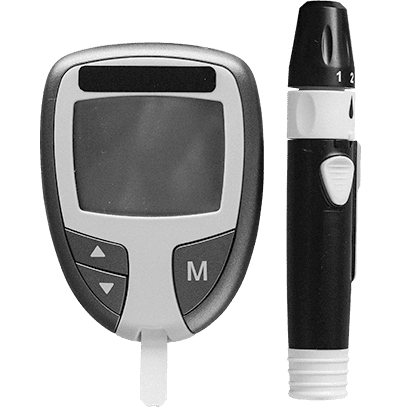
- Continuous Glucose Monitoring (CGM): Use of advanced CGM devices to track glucose levels in real-time.
HOW TO FIND AN ENDOCRINOLOGIST SPECIALIZING IN DIABETES IN QUEENS, NY
- General Search Engines: Use keywords like “diabetes doctor in New York,” “diabetes management in Queens,” and “diabetes doctor near me” to find specialists in your area.
- Doctor Review Websites: Check ratings and feedback on sites like Healthgrades or Zocdoc to choose the best diabetes specialist.
- Hospital Websites: Explore local hospital websites to find their diabetes treatment centers or endocrinology departments.
- Insurance Provider Websites: Search your insurance provider’s site with keywords like “diabetes doctor covered by insurance” to find endorsed endocrinologists.
- Direct Contact with Clinics: Reach out directly to clinics like Atlantic Endo MD to inquire about their diabetes management programs.
INSURANCE WE ACCEPT
We believe in accessible healthcare, which is why we accept a wide array of insurance plans, including but not limited to:
- 1199
- Aetna
- Centers plan for healthy living (CPHL)
- Cigna
- Elderplan
- Emblemhealth
- Empire Blue Cross Blue Shield
- Fidelis Care
- Healthfirst
- Humana
- Magnacare
- Medicaid
- Medicare
- Multiplan
- United Healthcare (UHC)
- UHC Medicare
- UHC Medicaid
- UHC Oxford
- VNS New York
- Wellcare
WHY CHOOSE ATLANTIC ENDO MD FOR DIABETES MANAGEMENT IN QUEENS
Choosing Atlantic Endo MD means selecting a center that uses cutting-edge technology and evidence-based treatments to manage diabetes. Our experienced endocrinologists are committed to providing personalized care that addresses each aspect of your diabetes management. With our comprehensive approach and state-of-the-art monitoring technologies, we ensure the best possible health outcomes for our patients in Queens, making us a leading choice for diabetes care in the area.
Including keywords such as “diabetes doctor in New York” and “diabetes treatment in queens” ensures that our services are easily searchable for those needing expert diabetes management in Queens, NY.
FREQUENTLY ASKED QUESTIONS (FAQS) ABOUT DIABETES DOCTOR IN NY
Are bone diseases the same as osteoporosis?
Osteoporosis is a type of bone disease, but there are many others we treat.
How do I know if I need a bone disease specialist?
Regular screenings, especially post-menopause or if you have risk factors, are essential.
Is continuous glucose monitoring (CGM) available?
Yes, we offer and educate on the latest in CGM technology.
Do you provide insulin management?
Yes, from initiation to advanced pump therapies.
How does the clinic support newly diagnosed diabetics?
We provide education, resources, and ongoing support to navigate the journey.
HEALTH INSURANCE PLANS
WE ACCEPT AT ATLANTIC ENDOCRINOLOGY












EXPERT DIABETES TREATMENT IN QUEENS, NY
Personalized plans with CGM, insulin management, and nutrition/exercise coaching—delivered by board-certified endocrinologists at Atlantic Endocrinology. New patients welcome; most insurance accepted.