
 By Atlantic Endo Medical Review Board
When blood sugar drops unexpectedly, the results can be dangerous—but what really causes these sudden insulin reactions? The answer goes beyond just taking too much. In fact, insulin reaction can be caused by several everyday triggers that often go unnoticed. Understanding them could be essential to preventing your next episode. Let’s uncover what they are—and why they matter.
Take control of your health—Contact us for guidance on managing insulin allergic reactions!
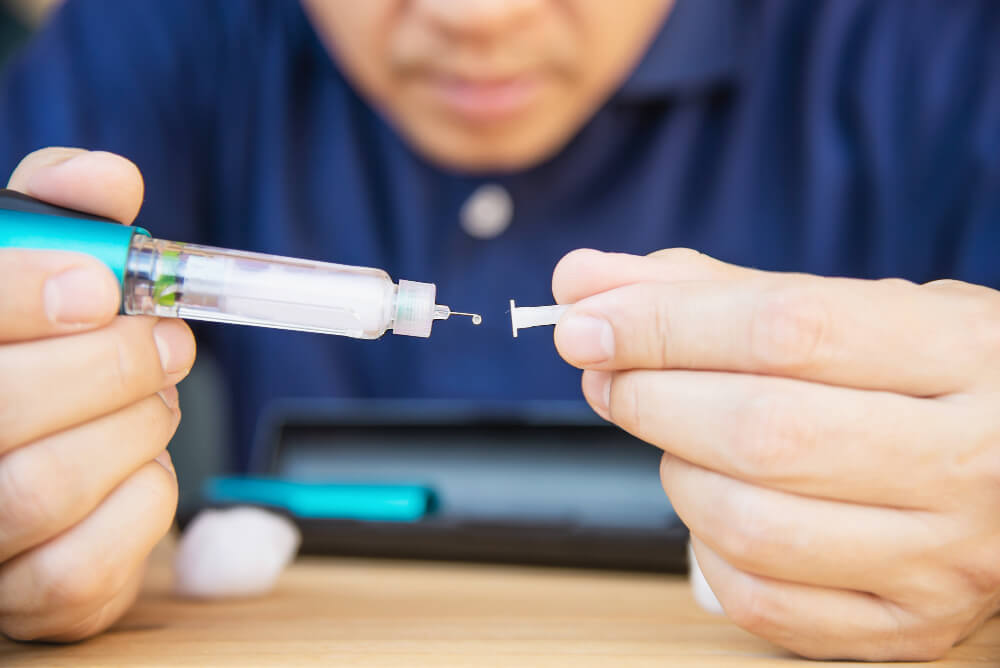
Table of Contents
TL;DR
Insulin reactions (hypoglycemia) occur when blood sugar drops below 70 mg/dL, often due to an imbalance between insulin and glucose. Common causes include incorrect dosage, delayed or skipped meals, intense physical activity, alcohol consumption, and illness or infection. Each of these factors can lower blood sugar unexpectedly, making careful monitoring, dose adjustment, and consistent food intake essential for prevention.
What Are the Most Common Causes of Insulin Reactions?
Insulin reactions—also known as hypoglycemia—occur when blood glucose drops below a safe threshold, typically under 70 mg/dL in individuals with diabetes. These episodes are the result of an imbalance between the amount of it in the body and the availability of glucose. Even with diligent diabetes management, unexpected shifts in diet, activity, or health can trigger a reaction. Below are some of the most common causes:
Incorrect Insulin Dosage
Incorrect dosing is one of the most common and preventable causes of reactions. Even small missteps in how, when, or what type of insulin is used can lead to blood sugar levels falling too low.
- Excessive Doses
Administering too much of it—whether due to miscalculating carbohydrate intake, making a dosing error, or unintentionally double-dosing—can quickly lead to hypoglycemia. This creates an imbalance where it lowers blood glucose faster than the body can replenish it. - Wrong Type or Injection Method
Using the incorrect type (such as rapid-acting instead of long-acting) can result in faster absorption than intended. Similarly, injecting it into muscle instead of subcutaneous fat can increase the absorption rate and intensity, raising the risk of a sudden blood sugar drop. - Timing Errors
Timing is critical in its management. Taking it too early or too late in relation to a meal can mean it is active before glucose from food is available. This mismatch can cause the body’s glucose levels to fall dangerously low.
Delayed or Skipped Meals
One of the most common triggers for insulin reactions is delayed or skipped meals. When it is taken as scheduled but not balanced with adequate food—especially carbohydrates—the risk of hypoglycemia increases significantly.
If it is administered and a meal is missed or contains fewer carbohydrates than planned, the body lacks the necessary glucose to counteract the insulin’s effect. As a result, blood sugar can drop to unsafe levels. Even delaying a meal can have the same consequence: it begins working before enough glucose is absorbed, creating an imbalance between insulin activity and glucose availability.
Intense Physical Activity
Engaging in intense physical activity can significantly increase the risk of insulin reactions due to its effects on glucose metabolism. Exercise uses glucose stored in muscles—often more than expected—which can quickly shift the body toward hypoglycemia if levels aren’t adjusted accordingly.
During and after physical activity, insulin sensitivity increases and glucose is absorbed into cells more efficiently. As a result, a standard dose may have a stronger glucose-lowering effect than usual. This heightened sensitivity doesn’t stop when the exercise ends; it can continue for several hours, leading to what’s known as “late postexercise hypoglycemia.” This delayed drop in blood sugar may even occur overnight following an intense or unplanned workout.
Alcohol Consumption and Blood Sugar Levels
Alcohol consumption can significantly impact blood sugar control, especially for individuals using insulin or medications that raise the levels. One of the key risks is hypoglycemia, which can result from alcohol’s effect on the liver.
Alcohol impairs gluconeogenesis, the process by which the liver produces new glucose. This effect is more pronounced when glycogen stores are already low, such as after fasting or prolonged periods without eating. As a result, the body may struggle to maintain adequate blood sugar levels.
Drinking alcohol without food further increases this risk. In such cases, low blood sugar may not only occur during or shortly after alcohol consumption but also hours later or during sleep, when it may go unnoticed. This delayed hypoglycemia can be especially dangerous if not anticipated and managed appropriately.
Illness or Infection
Although illness or infection typically raises blood sugar due to stress responses in the body, it can also lead to insulin reactions under certain conditions. Two essential mechanisms explain how hypoglycemia can still occur during sickness.
First, insulin resistance increases when the body releases stress hormones (like cortisol and growth hormone), along with inflammatory cytokines. This raises insulin needs. If doses are not adjusted accordingly, blood sugar levels can become unstable—sometimes dropping unexpectedly when resistance shifts.
Second, vomiting or reduced appetite during illness often leads to lower carbohydrate intake. If a person continues taking their usual dose without enough food to match it, this creates an imbalance that significantly increases the risk of hypoglycemia.
Because of these risks, many care guidelines recommend frequent blood glucose monitoring and flexible dosing during illness, including using correction doses every few hours if necessary. This helps manage the unpredictable highs and lows that can occur when the body is under stress.
Key Takeaways
- Insulin Reactions Overview
Hypoglycemia occurs when blood glucose drops below ~70 mg/dL, often due to an imbalance between insulin levels and glucose availability, even with careful diabetes management. - Incorrect Insulin Dosage
- Excess from dosing mistakes or double-dosing can rapidly cause hypoglycemia.
- Using the wrong type or injecting into muscle instead of fat affects absorption speed, increasing risk.
- Timing insulin too early or too late relative to meals can cause dangerous mismatches between insulin action and food intake.
- Delayed or Skipped Meals
- Missing or delaying meals after taking it reduces glucose availability, increasing the likelihood of low blood sugar.
- Inadequate carbohydrate intake during a meal can have the same effect.
- Intense Physical Activity
- Exercise increases insulin sensitivity and accelerates glucose use, making standard insulin doses more potent.
- Hypoglycemia may occur hours later, including overnight, especially after unplanned or vigorous workouts.
- Alcohol Consumption and Blood Sugar
- Alcohol impairs the liver’s ability to produce new glucose, especially when glycogen stores are low.
- Drinking without food heightens the risk of hypoglycemia, which may occur during or hours after alcohol intake, including during sleep.
- Illness or Infection
- Illness can increase its resistance through stress hormones and inflammation, leading to unstable glucose levels.
- Vomiting or reduced appetite lowers carb intake, which can cause hypoglycemia if its doses remain unchanged.
- Frequent glucose monitoring and flexible dosing are recommended during illness to manage both highs and lows.
Sources.
Petersen, M. C., & Shulman, G. I. (2018). Mechanisms of insulin action and insulin resistance. Physiological reviews. Retrieved from: https://doi.org/10.1152/physrev.00063.2017
Alkhatib, E. H., Grundman, J. B., Adamusiak, A. M., Bellin, M. D., Brooks, J. P., Buckley, K. S., … & Marks, B. E. (2023). Case Report: Insulin hypersensitivity in youth with type 1 diabetes. Frontiers in Endocrinology, 14, 1226231.Retrieved from: https://doi.org/10.3389/fendo.2023.1226231
You may also like
When Should I See an Endocrinologist for Hypoglycemia?
Does Metformin Help with Insulin Resistance?
Reasons to See an Endocrinologist as Soon as Possible
Medical and Editorial Commitment
The content of this article is strictly for educational and informational purposes. It does not replace in-person professional medical diagnosis, advice, or treatment..
Read Privacy PolicyRelated Posts
Treatment for Neuropathy in Legs and Feet: A Complete Guide for Patients Seeking in Queens, NY
Last updated: June 11, 2026 Quick Answer: Diabetic neuropathy in the legs and feet is nerve damage caused by chronically high blood [...]

Vitamin D3 vs D2 for Bone Health: Which Is Better? A Guide to Bone Specialist Services
Last updated: June 4, 2026 Quick Answer: Vitamin D3 (cholecalciferol) is the superior choice for bone health. It raises and maintains blood [...]