
 By Atlantic Endo Medical Review Board
Nearly one million Americans are hospitalized for pneumonia each year, and one of the most underused tools in their recovery is a simple plastic device that fits in the palm of your hand. The question, can you use an incentive spirometer with pneumonia?, comes up often in clinical settings, and the answer is a clear yes, with important guidance on how to do it safely and effectively.
An incentive spirometer is a handheld breathing device that measures how much air you inhale into your lungs. When pneumonia inflames and fills the air sacs with fluid, deep breathing becomes painful and difficult. That is exactly when this device can make a meaningful difference. This article breaks down everything you need to know, from how the device works to when and how to use it during pneumonia recovery.
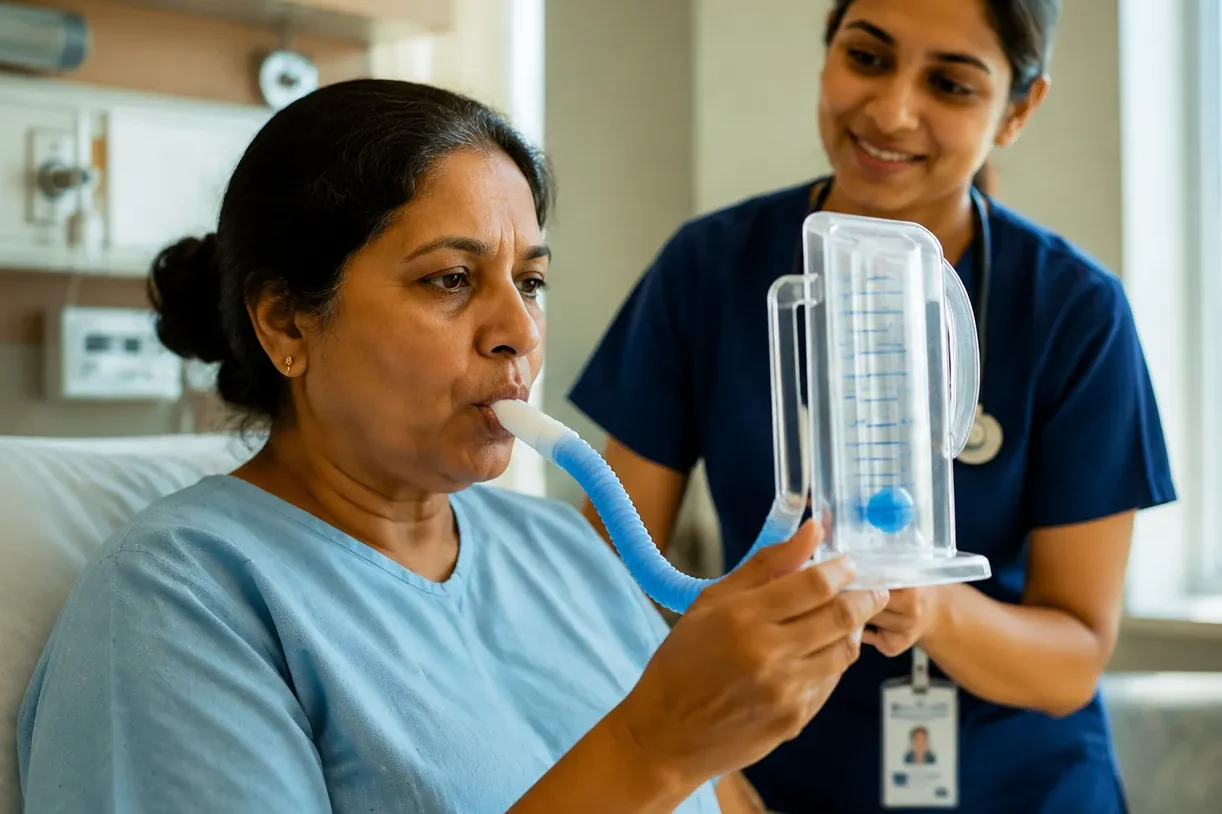
Pulmonary Function Test In Queens, NY.
Table of Contents
Key Takeaways
- An incentive spirometer is safe and clinically recommended for most pneumonia patients to help expand the lungs and clear mucus.
- There are two main types: flow-oriented and volume-oriented spirometers, each with distinct benefits.
- Proper technique, sitting upright, inhaling slowly, and holding the breath, is essential to getting results.
- Using the device every one to two hours while awake is a common recommendation, but always follow your provider’s guidance.
- Patients with chronic conditions like diabetes or heart disease may need additional monitoring during respiratory recovery.
What Is an Incentive Spirometer and How Does It Work?
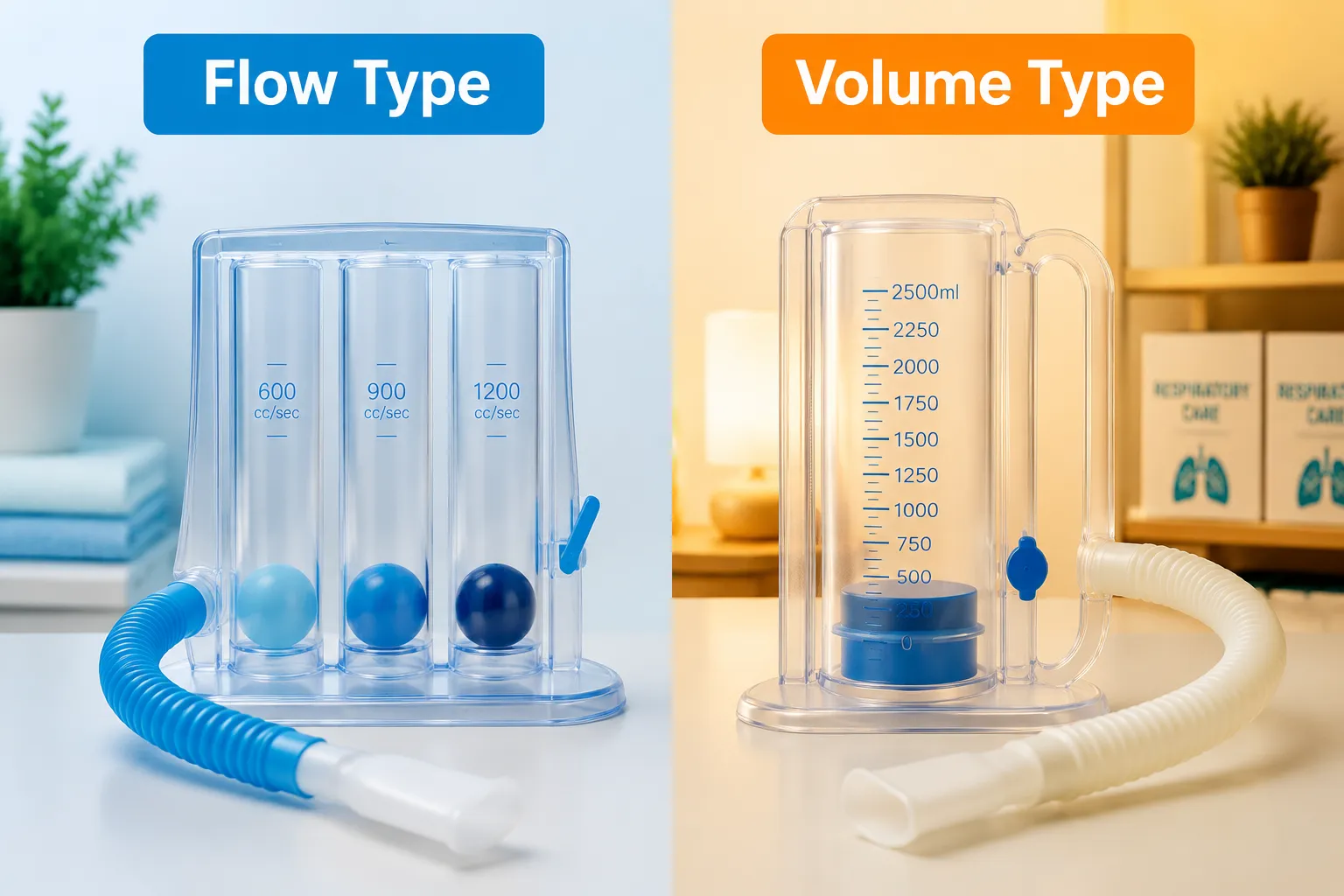
An incentive spirometer is a small, portable medical device designed to encourage slow, deep breathing. It works by giving you a visual target, either a floating ball or a rising piston, that responds to how deeply you inhale. The deeper the breath, the higher the indicator rises.
There are two main types:
Flow-oriented spirometers
Use one or more small balls inside chambers. When you inhale, the balls rise based on the speed and volume of your breath. This type provides resistance during inhalation, which helps strengthen the upper chest muscles.
Volume-oriented spirometers
Use a piston or bellows mechanism to measure the total volume of air inhaled. These focus more on improving diaphragm activity and are often preferred in clinical settings for tracking measurable progress over time.
Both types serve the same core purpose: to keep your lungs active, open, and free from the fluid buildup that leads to complications like atelectasis (partial lung collapse) or worsening pneumonia.
Comprehending your lung function is a foundational part of respiratory care. If you are curious about broader lung function testing, our guide on how much does a pulmonary function test cost offers helpful context on what to expect diagnostically.
Can You Use an Incentive Spirometer With Pneumonia? The Clinical Evidence
The short answer is yes. Healthcare providers routinely recommend incentive spirometry for patients recovering from pneumonia. Here is why it matters and what the research shows.
Why Pneumonia Makes Deep Breathing Difficult
Pneumonia causes inflammation and fluid accumulation in the alveoli, the tiny air sacs in your lungs responsible for gas exchange. This leads to:
- Reduced lung capacity
- Painful breathing, which causes patients to take shallow breaths
- Mucus buildup that is difficult to clear
- A higher risk of secondary complications, including atelectasis
When patients breathe shallowly to avoid pain, the lower portions of the lungs receive less airflow. Fluid and mucus accumulate, making recovery slower and more complicated.
How the Spirometer Helps
Using an incentive spirometer during pneumonia recovery helps in several specific ways:
Lung expansion
Deep inhalations open collapsed or partially closed air sacs, improving oxygen exchange.
Mucus clearance
Deeper breaths help mobilize mucus so it can be coughed out more effectively.
Respiratory muscle strengthening
Regular use prevents the respiratory muscles from weakening during bed rest
Progress monitoring
Both patients and providers can track inspiratory volume over time to assess recovery.
A randomized clinical trial published in 2024 specifically examined incentive spirometer use in COVID-19 pneumonia patients. The study concluded that the device is safe and beneficial for improving respiratory function in this population, adding to a growing body of evidence supporting its use across pneumonia types.
Who Should Be Cautious
While incentive spirometry is broadly safe, certain patients should use it under close medical supervision:
- Those with severe respiratory distress who cannot maintain a seal on the mouthpiece
- Patients with recent thoracic surgery or rib fractures alongside pneumonia
- Individuals with untreated pneumothorax (collapsed lung)
- Those who experience significant dizziness or hyperventilation during use
If you have a chronic condition, such as diabetes, heart disease, or a hormonal disorder, your respiratory recovery may be more complex. Our cardiology services in Queens are available for patients who need cardiovascular monitoring alongside respiratory care. Similarly, patients managing diabetes should know that respiratory infections can significantly affect blood glucose levels, making coordinated care essential. Learn more about managing diabetes with specialized endocrinology support.
How to Use an Incentive Spirometer Correctly During Pneumonia
Proper technique is everything. Using the device incorrectly reduces its effectiveness and can cause side effects like dizziness or fatigue.
Step-by-Step Instructions
Follow these steps each time you use your incentive spirometer:
Step 1, Sit upright. Sit in a chair or prop yourself up in bed at a 45 to 90-degree angle. This position allows your lungs to fully expand.
Step 2, Exhale normally. Breathe out gently before placing the mouthpiece in your mouth. Do not force the exhale.
Step 3, Seal your lips around the mouthpiece. Create a tight seal so that all airflow goes through the device.
Step 4, Inhale slowly and deeply. Breathe in as slowly and steadily as possible. Watch the indicator rise toward your goal marker.
Step 5, Hold your breath. Once you reach your goal or maximum inhalation, hold your breath for 3 to 5 seconds. This allows the air to fully distribute through your lungs.
Step 6, Exhale gently and rest. Remove the mouthpiece and breathe out slowly. Rest for a few normal breaths before repeating.
Step 7, Repeat as directed. Most providers recommend 10 repetitions per session, with sessions every 1 to 2 hours while awake.
Setting Your Goal
Your device will have an adjustable marker or a printed scale. Your healthcare provider will set an initial goal based on your baseline lung capacity. As you recover, the goal is typically increased incrementally.
“The device allows both patients and providers to monitor inspiratory volume, making it one of the few recovery tools that offers real-time, measurable feedback.”
Common Mistakes to Avoid
| Mistake | Why It Matters |
|---|---|
| Breathing too fast | Reduces effectiveness; may cause dizziness |
| Not holding the breath | Air does not fully distribute to lower lung segments |
| Slouching or lying flat | Limits lung expansion |
| Skipping sessions | Inconsistent use slows recovery significantly |
| Ignoring pain signals | Persistent pain during use should be reported to your provider |
Can You Use an Incentive Spirometer With Pneumonia at Home?
Yes, and many patients continue using their spirometer after hospital discharge. Hospitals typically provide the device, and it is also available at medical supply stores. Home use is an important part of outpatient recovery, especially for patients who were hospitalized.
When using the device at home, keep these points in mind:
- Clean the mouthpiece daily with warm soapy water or as directed.
- Track your numbers. Write down your peak inspiratory volume each day to share with your provider at follow-up appointments.
- Do not push through severe pain. Some discomfort is normal, but sharp or worsening pain should prompt a call to your doctor.
- Continue until cleared. Do not stop using the device just because you feel better. Your provider will advise when it is safe to discontinue.
For patients managing multiple health conditions, coordinated care makes a significant difference in recovery outcomes. Atlantic Endocrinology & Diabetes Center offers pulmonary function testing as part of its advanced diagnostic services, which can help establish baseline lung function and monitor your progress after illness.
The Connection Between Chronic Conditions and Pneumonia Recovery
Patients with endocrine disorders, cardiovascular disease, or immune system conditions often face more challenging pneumonia recoveries. Here is why this matters for incentive spirometry use:
Diabetes, High blood sugar impairs immune function and slows tissue healing. Pneumonia can also cause blood glucose to spike unpredictably. Patients with diabetes who develop pneumonia need careful glucose monitoring alongside respiratory therapy. Our team at Atlantic Endocrinology, led by Dr. Stella Ilyayeva, specializes in managing these intersecting challenges.
Heart disease, Reduced cardiac function can limit how much oxygen the blood carries, making respiratory recovery harder. Patients under the care of our cardiologist Dr. Ovidiu A. Krausz benefit from coordinated monitoring of both cardiac and pulmonary function during recovery.
Osteoporosis and bone disease, Patients with weakened bones may have rib fragility, which can make deep breathing painful. A bone disease specialist can help assess whether additional precautions are needed during spirometry use.
Holistic and integrative approaches, Recovery from pneumonia is not only about the lungs. Nutrition, rest, and stress management all play a role. Our integrative and holistic care services complement conventional respiratory therapy for a whole-person approach to healing.
FAQs
Can you use an incentive spirometer with pneumonia if you are on oxygen therapy?
Yes, in most cases. Patients receiving supplemental oxygen can still use an incentive spirometer, as the two therapies are not mutually exclusive. Nevertheless, the specific oxygen delivery method, nasal cannula versus mask, may affect how you use the mouthpiece. Always confirm the approach with your respiratory therapist or physician before combining the two.
How long should I use an incentive spirometer when recovering from pneumonia?
The duration varies by individual. Most providers recommend continued use until your lung function returns to your personal baseline, which can take anywhere from one to four weeks depending on the severity of your pneumonia and your overall health. Your provider will assess your progress at follow-up visits and advise when to stop.
Can children use an incentive spirometer for pneumonia?
Yes, pediatric versions of the incentive spirometer are available and are used in clinical settings for children old enough to follow instructions, typically ages five and older. The technique is the same, but the volume goals are adjusted for a child’s smaller lung capacity. A pediatric provider should guide the process.
Are there any situations where an incentive spirometer should not be used during pneumonia?
Yes. Patients with an untreated pneumothorax (collapsed lung), those who are unable to breathe independently, or individuals in severe respiratory distress requiring mechanical ventilation should not use an incentive spirometer without direct medical supervision. Additionally, anyone who experiences significant dizziness, chest pain, or worsening shortness of breath during use should stop immediately and contact their healthcare provider.
References
- American Thoracic Society. (2022). Patient education: Incentive spirometry and breathing exercises. https://www.thoracic.org
- MedlinePlus. (2023). Using an incentive spirometer. U.S. National Library of Medicine. https://medlineplus.gov/ency/patientinstructions/000451.htm
- National Center for Biotechnology Information. (2022). Incentive spirometry. StatPearls. https://www.ncbi.nlm.nih.gov/books/NBK572114/
- Cleveland Clinic. (2023). Incentive spirometer: How to use it and why it matters. https://my.clevelandclinic.org/health/drugs/4302-incentive-spirometer
- PubMed. (2024). Randomized clinical trial on incentive spirometry in COVID-19 pneumonia patients. National Institutes of Health. https://pubmed.ncbi.nlm.nih.gov/39296521/
Medical and Editorial Commitment
The content of this article is strictly for educational and informational purposes. It does not replace in-person professional medical diagnosis, advice, or treatment..
Read Privacy PolicyRelated Posts
Can Poor Lung Function Be Improved? Practical Step Guide
Have you ever wondered why your pulmonary function test results aren’t improving, even after following your doctor’s advice? Many people struggle with [...]

Does Medicare Pay for Pulmonary Function Test?
As we age, our lungs, like many other parts of our bodies, may begin to show signs of wear and tear. Pulmonary [...]