
 By Atlantic Endo Medical Review Board
What if the key to unlocking better energy, hormonal balance, and overall vitality was already within your body, just waiting to be activated? Many people overlook one crucial hormone at the center of it all: gonadotropin-releasing hormone (GnRH). In this article, we’ll explore how to increase gonadotropin-releasing hormone naturally, revealing simple yet powerful ways to support your body’s own rhythm and uncover benefits you might not expect.
Table of Contents
Summary
Boosting gonadotropin-releasing hormone (GnRH) naturally relies on lifestyle choices rather than direct foods or supplements. A nutrient-rich diet, regular exercise, stress management, and quality sleep all create a balanced hormonal environment that supports reproductive health. While no herbal supplement directly raises GnRH, options like vitamin D, zinc, inositol, and cinnamon may indirectly aid balance. Overall, healthy habits and proper care are key to maintaining optimal GnRH function.
Find holistic endocrinologist solutions to optimize hormone levels naturally.
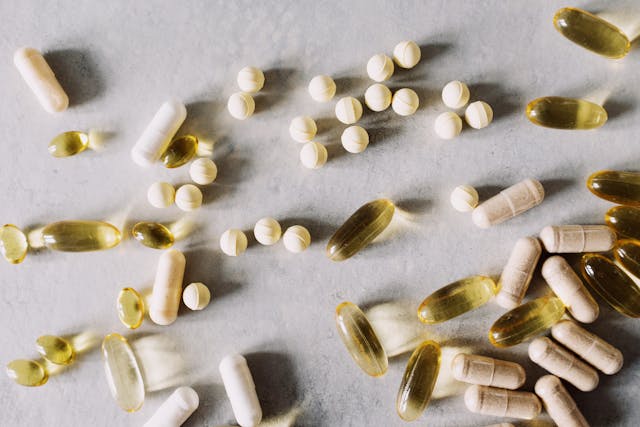
What are the best foods to increase gonadotropin-releasing hormone?
While no foods directly increase GnRH, a balanced diet with key nutrients can support overall health and improve reproductive function. Maintaining a healthy weight, lowering stress, and avoiding tobacco and alcohol also play an important role in supporting hormone production.
| Food Group | Examples | Main Benefits |
| Leafy vegetables | Spinach, asparagus, broccoli | Folate and antioxidants |
| Fruits | Bananas, strawberries, oranges, avocados | Vitamins and antioxidants |
| Legumes | Beans, lentils | Folate, fiber, and vitamin D |
| Nuts and seeds | Walnuts, pumpkin seeds, sesame | Healthy fats, magnesium, and zinc |
| Fish and seafood | Salmon, tuna, shellfish | Omega-3 and selenium |
| Eggs and lean meats | Eggs, chicken, turkey | Proteins, cholesterol, and minerals |
A varied diet with vegetables, fruits, legumes, nuts, seeds, fish, and lean meats provides the nutrients needed to support reproductive health.
How exercise increases gonadotropin-releasing hormone
Exercise triggers the release of hormones that influence balance in the body and mind. While it doesn’t directly raise GnRH, it creates a healthier hormonal environment that supports reproductive regulation and emotional stability.
Hormones released during exercise
- Dopamine: Produces euphoria, satisfaction, and motivation.
- Serotonin: Regulates mood, induces calm, and supports restful sleep.
- Norepinephrine: Helps manage stress, improves focus, and regulates temperature.
- Endorphins: Provide natural pain relief and promote well-being.
- Adrenaline: Increases blood glucose, blood pressure, and heart rate, boosting energy.
- Cortisol: Manages metabolism and energy release, regulated by exercise to prevent excess stress.
- Testosterone: Supports muscle mass and strength, reinforcing a cycle of improved performance and greater production.
Exercise acts as a natural regulator of the reproductive system. While it doesn’t increase GnRH directly, it enhances the release of other hormones that together support balance, reproductive health, and emotional well-being.
Reducing Stress to raise Hormone Levels
Chronic stress directly disrupts hormonal balance and may interfere with GnRH production. When the body remains in “fight or flight” mode for too long, cortisol and adrenaline stay elevated, which can disrupt reproduction, causing irregular menstrual cycles, suppressed ovulation, or reduced sperm quality.
How stress affects hormonal balance
- Higher cortisol: Interferes with estrogen and progesterone production.
- Suppression of GnRH: Stress lowers this hormone, which is needed to trigger ovulation.
- Thyroid disruption: Stress contributes to thyroid imbalances, affecting ovulation and cycles.
Strategies to reduce stress
- Practice relaxation techniques like yoga, meditation, and deep breathing.
- Exercise moderately on a regular basis.
- Get sufficient sleep for hormonal recovery.
- Seek psychological or social support when needed.
Reducing stress creates a healthier environment that allows GnRH and other hormones to function properly. Small self-care actions can meaningfully support reproductive function and balance.
The Importance of Sleep for Hormone Balance
Sleep plays a vital role in regulating reproductive hormones, including gonadotropins. These processes are tied to circadian rhythms and nightly rest. Poor or insufficient sleep disrupts this balance, affecting ovulation in women and sperm production in men, which can reduce fertility.
Adequate rest also regulates melatonin, which directly influences sex hormones such as estrogen and progesterone, both essential for reproductive health.
Effects of sleep on reproductive health
| Sleep Factor | Hormonal and Reproductive Impact |
| Adequate, restorative sleep | Regulates melatonin, estrogen, and progesterone |
| Insufficient or poor-quality sleep | Disrupts ovulation and sperm production |
| Hormonal pulses during REM sleep | Stimulates LH and testosterone secretion |
| Stable circadian rhythms | Synchronizes gonadotropins with the body clock |
Quality sleep restores energy and maintains internal balance. Respecting circadian rhythms and allowing gonadotropins to follow natural patterns makes sleep a key foundation for fertility and reproductive health.
Herbal Supplements that Stimulate Gonadotropin-Releasing Hormone
There are no herbal supplements designed to directly stimulate GnRH. Some nutrients and herbs can support reproductive harmony, indirectly helping to balance gonadotropins.
| Supplement / Herb | Potential Benefit |
| Vitamin D | Supports fertility and reproductive function |
| Zinc | Aids male reproductive health |
| Inositol | Helps women with PCOS and supports regulation |
| Cinnamon | Helps regulate glucose and insulin |
Why no direct herbal supplement for gonadotropins?
Decisions about supplement use should be made carefully and with professional guidance to ensure they fit individual needs.
Key Takeaways
- No direct boosters: There are no foods or herbal supplements proven to directly increase gonadotropin-releasing hormone (GnRH).
- Diet matters: A balanced diet rich in leafy greens, fruits, legumes, nuts, seeds, fish, and lean meats provides key nutrients (folate, B vitamins, zinc, selenium, magnesium) that support overall reproductive health.
- Exercise benefits: Physical activity does not directly raise GnRH but promotes a healthy hormonal environment by releasing dopamine, serotonin, endorphins, testosterone, and other hormones that improve mood, stress response, and reproductive balance.
- Stress reduction: Chronic stress disrupts hormone balance by elevating cortisol, suppressing GnRH, and affecting thyroid function. Stress-management techniques—such as meditation, yoga, exercise, sleep, and social support—help restore hormonal harmony.
- Sleep is crucial: Quality sleep regulates reproductive hormones, aligns circadian rhythms, and supports fertility. Poor sleep disrupts ovulation and sperm production, while adequate sleep stabilizes melatonin, estrogen, progesterone, and gonadotropins.
- Supplements with indirect benefits: Vitamin D, zinc, inositol, and cinnamon may support hormonal health and fertility, but none directly stimulate GnRH.
- Medical guidance recommended: Because GnRH regulation is complex and rooted in brain signaling, supplement use should always be guided by a healthcare professional.
Sources
- Casteel, C. O., & Singh, G. (2020). Physiology, gonadotropin-releasing hormone.
- Zakharova, L., Sharova, V., & Izvolskaia, M. (2020). Mechanisms of reciprocal regulation of gonadotropin-releasing hormone (GnRH)-producing and immune systems: The role of GnRH, cytokines and their receptors in early ontogenesis in normal and pathological conditions. International journal of molecular sciences, 22(1), 114.
You may also like
Endocrinologists and Hormones: How They Affect Your Health
What Do Endocrinologists Test For?
Reasons to See an Endocrinologist as Soon as Possible
Medical and Editorial Commitment
The content of this article is strictly for educational and informational purposes. It does not replace in-person professional medical diagnosis, advice, or treatment..
Read Privacy PolicyRelated Posts
Treatment for Neuropathy in Legs and Feet: A Complete Guide for Patients Seeking in Queens, NY
Last updated: June 11, 2026 Quick Answer: Diabetic neuropathy in the legs and feet is nerve damage caused by chronically high blood [...]

Vitamin D3 vs D2 for Bone Health: Which Is Better? A Guide to Bone Specialist Services
Last updated: June 4, 2026 Quick Answer: Vitamin D3 (cholecalciferol) is the superior choice for bone health. It raises and maintains blood [...]