
 By Atlantic Endo Medical Review Board
Nearly half of all adults in the United States have some degree of cardiovascular disease, yet a significant number are unaware of the calcium buildup quietly accumulating in their coronary arteries. A coronary artery calcium (CAC) scan is one of the most powerful, non-invasive tools available to detect this hidden risk before a heart attack strikes. But here is what many patients do not realize: the steps you take, or skip, in the hours before the test can directly affect the quality of the results.
Knowing what not to do before a heart calcium test is just as important as knowing why you are having it in the first place. Small missteps like drinking coffee, skipping medication disclosures, or wearing the wrong clothing can compromise image clarity and lead to repeat scans or inaccurate readings. This guide breaks down every preparation mistake to avoid so your scan delivers the most reliable picture of your heart health possible.
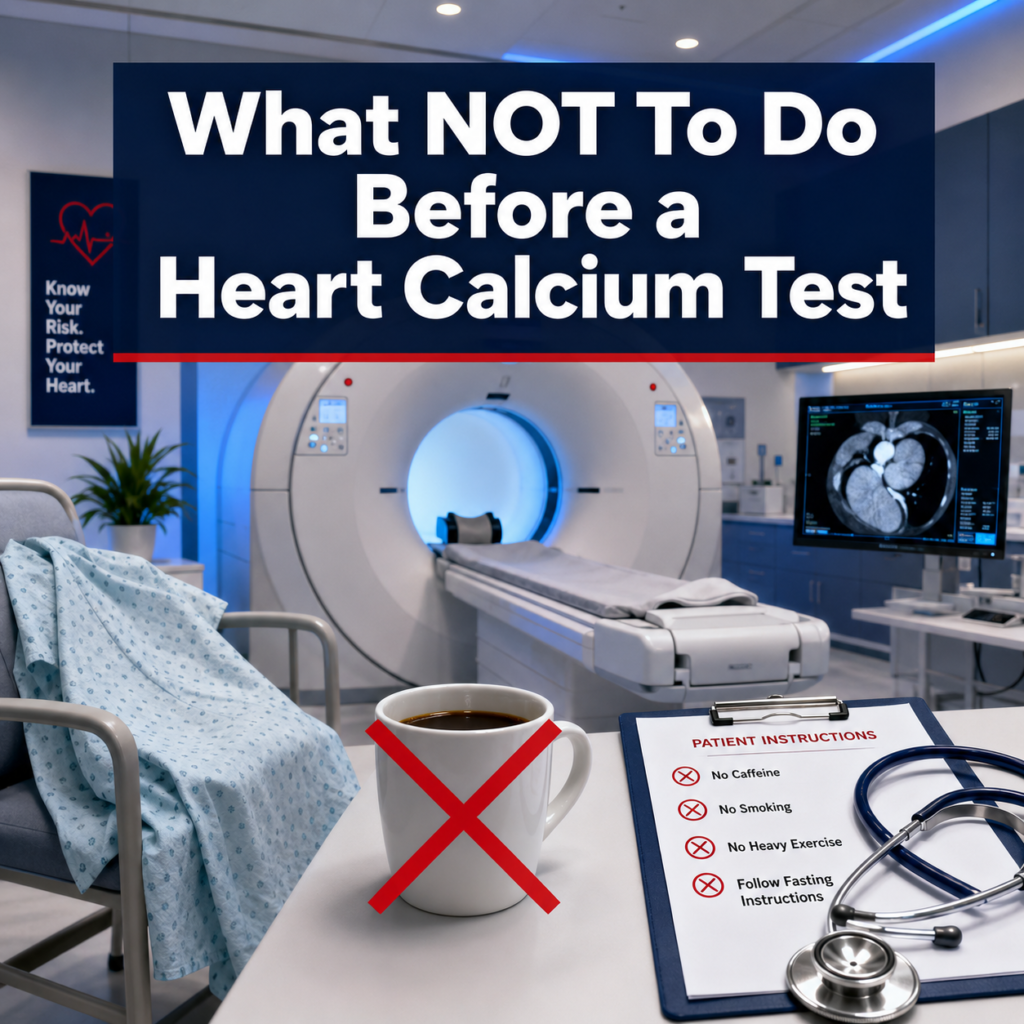
Table of Contents
Key Takeaways
- Do not consume caffeine or smoke before a heart calcium scan, as both can elevate heart rate and interfere with image accuracy.
- Always disclose all medications, supplements, and allergies to your care team before the test.
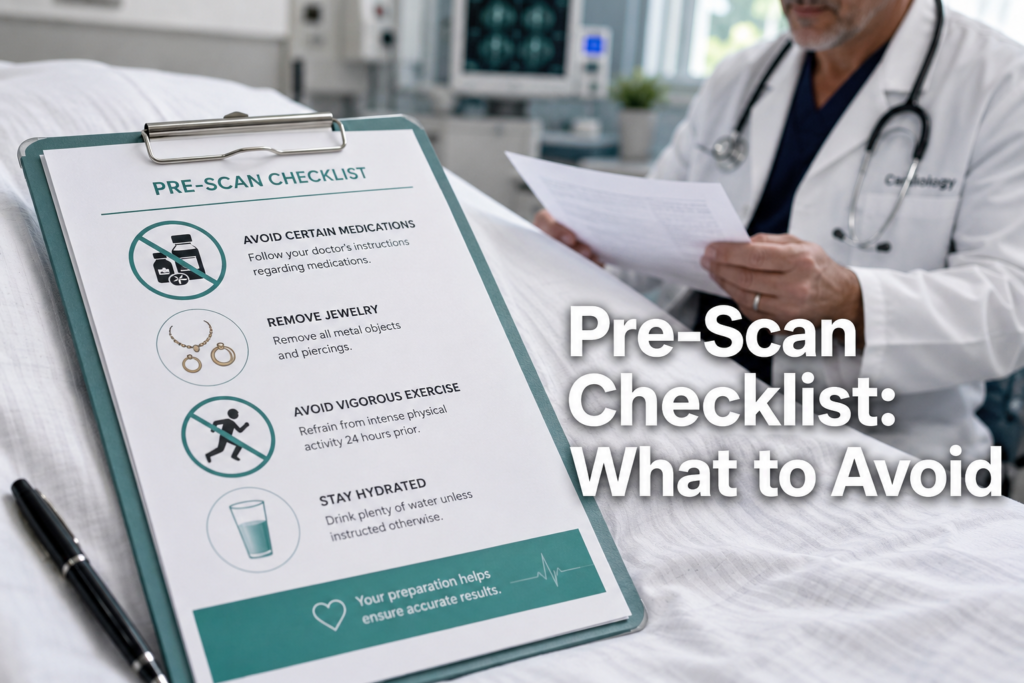
- Avoid vigorous exercise on the day of the scan, as it can artificially raise your heart rate.
- Remove all metal objects and wear comfortable, easily removable clothing to the appointment.
- Pregnant patients or those who may be pregnant must inform their provider before the scan due to radiation exposure.
What Is a Heart Calcium Test and Why Does Preparation Matter?
A coronary artery calcium (CAC) test, also called a heart scan or calcium score screening, uses a specialized CT scanner to detect calcium deposits in the walls of the coronary arteries. These deposits are a direct marker of atherosclerosis, the hardening and narrowing of arteries that can lead to heart attack and stroke.
The scan is quick, typically taking less than 15 minutes. Nevertheless, it requires a steady, low heart rate and a still body to capture sharp, high-resolution images. Any factor that elevates your heart rate, introduces motion artifacts, or interferes with the imaging equipment can reduce the scan’s diagnostic value.
This is why preparation is not optional, it is clinical. Comprehending what not to do before a heart calcium test protects the integrity of your results and, ultimately, your health decisions moving forward.
For patients managing chronic conditions such as diabetes or metabolic disease, cardiovascular risk assessment is especially critical. The intersection of hormonal health and heart disease is a core focus at Atlantic Endocrinology & Diabetes Center, where our multidisciplinary team evaluates the full picture of your cardiovascular and endocrine health.
What Not to Do Before a Heart Calcium Test: The Most Common Mistakes

1. Do Not Consume Caffeine
This is one of the most frequently overlooked instructions. Caffeine, found in coffee, tea, energy drinks, sodas, and even some medications, is a stimulant that raises heart rate. Because a CAC scan requires a resting heart rate ideally below 60 to 65 beats per minute for the clearest images, consuming caffeine beforehand can cause motion blur in the final images.
Most imaging centers advise avoiding caffeine for at least four hours before the scan, though some recommend abstaining for the entire day. Follow whatever specific window your provider gives you.
2. Do Not Smoke Before the Scan
Smoking causes acute cardiovascular stimulation. Nicotine raises heart rate and constricts blood vessels, both of which can interfere with the scan’s accuracy. Patients are generally advised to avoid smoking for several hours before the test. If you are a regular smoker, inform your care team, as this is also clinically relevant to interpreting your calcium score.
3. Do Not Skip Disclosing Your Medications and Supplements
Before your appointment, provide a complete list of all prescription medications, over-the-counter drugs, vitamins, and herbal supplements you take. Some medications, including beta-blockers, anticoagulants, and certain supplements, can affect heart rate, clotting, or imaging contrast. Your provider needs this information to determine whether any adjustments are needed before the scan.
This is especially relevant for patients managing conditions like insulin resistance or thyroid disease, where multiple medications are often involved.
4. Do Not Engage in Vigorous Exercise on the Day of the Test
Intense physical activity, running, cycling, heavy weightlifting, or high-intensity interval training, elevates heart rate and keeps it elevated for hours afterward. Even if you feel calm by the time you arrive, residual cardiovascular stimulation from a morning workout can compromise image quality. On the day of your scan, keep physical activity light. A gentle walk is acceptable; a spin class is not.
5. Do Not Wear Jewelry or Metal Objects to the Scan
Metal interferes with CT imaging. Necklaces, earrings, piercings, underwire bras, and even belt buckles can create artifacts that obscure the images. You will likely be asked to change into a medical gown before the procedure, so wearing comfortable, easily removable clothing makes this process smoother and faster.
6. Do Not Ignore Pregnancy or the Possibility of Pregnancy
A CAC scan uses ionizing radiation. While the dose is relatively low, radiation exposure during pregnancy carries potential risks to the developing fetus. If you are pregnant, trying to conceive, or think there is any possibility you could be pregnant, you must inform your provider before the scan. The test may be postponed or an alternative imaging approach may be recommended.
7. Do Not Conceal Recent Illnesses or Infections
If you have been sick recently, a respiratory infection, fever, or any acute illness, tell your care team before the appointment. Active infections can cause systemic inflammation that may affect cardiovascular readings. In some cases, your provider may recommend rescheduling the scan to ensure the results reflect your baseline health status rather than a temporary inflammatory response.
Additional Pre-Test Considerations You Should Not Overlook
Fasting Instructions May Apply
Some facilities require patients to fast for a few hours before the scan, particularly if contrast dye is being used. Not all CAC scans use contrast, but if yours does, eating a heavy meal beforehand could cause nausea or complications. Confirm with your provider whether fasting is required for your specific scan type.
Stay Hydrated, Unless Told Otherwise
Dehydration can affect circulation and, in cases where contrast is used, kidney function. Unless your provider has specifically instructed you to restrict fluids, maintain your normal hydration levels before the test. Plain water is always a safe choice.
Do Not Arrive Anxious and Unprepared
Anxiety itself raises heart rate. Arriving rushed, stressed, or uncertain about the procedure can affect your resting heart rate at the time of the scan. Plan to arrive a few minutes early, review the instructions beforehand, and know what to expect. A calm, prepared patient produces better imaging conditions.
For patients who want a more thorough, guided approach to diagnostic testing, a concierge medicine consultation can be an excellent way to prepare for any cardiovascular workup with personalized support.
What Not to Do Before a Heart Calcium Test: A Quick-Reference Summary
| What to Avoid | Why It Matters |
|---|---|
| Caffeine (coffee, tea, energy drinks) | Raises heart rate, reduces image clarity |
| Smoking | Elevates heart rate, constricts vessels |
| Vigorous exercise | Keeps heart rate elevated for hours |
| Wearing metal jewelry | Creates imaging artifacts |
| Hiding medication/supplement use | May cause interactions or misinterpretation |
| Concealing pregnancy | Radiation poses fetal risk |
| Skipping mention of recent illness | Inflammation may skew results |
| Heavy meals (if contrast is used) | May cause nausea or complications |
Who Should Consider a Heart Calcium Test?
A CAC scan is typically recommended for adults between the ages of 40 and 75 who are at intermediate risk for cardiovascular disease. Risk factors include:
Diabetes
Elevated blood glucose accelerates arterial damage. Patients managing diabetes benefit significantly from early cardiovascular screening. Learn more about what organ is most affected by glucose and why this matters for heart health.
Hypertension
Chronically elevated blood pressure stresses arterial walls.
High cholesterol
Lipid buildup in arteries is a direct contributor to calcification.
Family history of heart disease
Genetic predisposition significantly raises risk.
Obesity or metabolic syndrome
Excess body fat, particularly visceral fat, is linked to accelerated atherosclerosis.
For patients with hormonal conditions, the connection between endocrine health and cardiovascular risk is well established. Conditions like hypothyroidism, PCOS, and adrenal disorders can all influence lipid profiles and blood pressure. Comprehending what symptoms warrant an endocrinologist visit can help patients connect the dots between hormonal imbalances and heart disease risk.
How Atlantic Endocrinology Supports Your Cardiovascular Health
At Atlantic Endocrinology & Diabetes Center, cardiovascular care is not treated in isolation. Our team, led by Dr. Ovidiu A. Krausz, a cardiologist with over 20 years of experience, works alongside endocrinologists, nurse practitioners, and physician assistants to provide integrated care that addresses both the hormonal and cardiovascular dimensions of your health.
Dr. Stella Ilyayeva, M.D., our lead endocrinologist with over two decades of clinical experience, routinely coordinates with cardiology for patients whose metabolic conditions place them at elevated cardiovascular risk. This kind of coordinated, multidisciplinary approach means that a calcium score is never interpreted in a vacuum, it is understood in the full context of your health history.
Patients interested in knowing the broader scope of cardiovascular risk may also benefit from exploring whether congestive heart failure can be reversed and what early intervention can achieve, or reviewing information on valvular heart disease treatment options.
We also offer advanced diagnostic services including body composition analysis, ANS monitoring, and the TM Flow Test, tools that help paint a comprehensive picture of your metabolic and cardiovascular status. To learn more about what these tests reveal, visit our guide on what a TM Flow Test shows.
We accept most major insurance plans including Medicare, Medicaid, Aetna, United Healthcare, EmblemHealth, Healthfirst, and many others. Our locations in Queens and Brooklyn are designed to make specialized care accessible to the communities we serve.
To schedule a cardiovascular or endocrinology consultation, contact us at (718) 275-2900 or visit atlanticendomd.com/contact.
FAQs:
Can I drink water before a heart calcium test?
Yes, in most cases, plain water is permitted and even encouraged before a CAC scan. Staying hydrated supports healthy circulation and, if contrast dye is involved, helps protect kidney function. Always confirm with your specific imaging center, as protocols can vary slightly between facilities.
What happens if I accidentally drink coffee before my calcium score test?
If you consume caffeine before the scan, your heart rate may be elevated, which can reduce the quality of the CT images. In some cases, the technician may wait for your heart rate to come down before proceeding. In others, the scan may need to be rescheduled. It is best to notify the imaging staff immediately upon arrival if you have had caffeine.
Do I need to stop taking my regular medications before a heart calcium test?
In most cases, no. Most standard medications should be continued as prescribed unless your provider specifically instructs otherwise. Nevertheless, you must disclose all medications and supplements to your care team before the scan so they can assess any potential interactions or imaging considerations. Never stop a prescribed medication without consulting your doctor first.
How long does a heart calcium test take, and when will I get results?
The scan itself typically takes between 10 and 15 minutes. You will not feel anything during the procedure, there is no pain, no injections in a standard non-contrast scan, and no recovery time needed. Results are usually reviewed by a radiologist and communicated to your referring physician within a few days. Your doctor will then discuss what your calcium score means for your individual cardiovascular risk management plan.
References
- American Heart Association. (2022). Coronary Artery Calcium (CAC) Test. https://www.heart.org/en/health-topics/heart-attack/diagnosing-a-heart-attack/cac-test
- Cleveland Clinic. (2023). Calcium Score Screening Heart Scan. https://my.clevelandclinic.org/health/diagnostics/16824-calcium-score-screening-heart-scan
- Mayo Clinic. (2023). Heart scan (coronary calcium scan). https://www.mayoclinic.org/tests-procedures/heart-scan/about/pac-20384686
- National Heart, Lung, and Blood Institute. (2022). Coronary Artery Disease: Diagnosis. U.S. Department of Health and Human Services. https://www.nhlbi.nih.gov/health/coronary-heart-disease/diagnosis
- U.S. Preventive Services Task Force. (2022). Cardiovascular Disease Risk: Screening with Resting or Exercise Electrocardiography. https://www.uspreventiveservicestaskforce.org
Medical and Editorial Commitment
The content of this article is strictly for educational and informational purposes. It does not replace in-person professional medical diagnosis, advice, or treatment..
Read Privacy PolicyRelated Posts
Cardiomyopathies: What They Are, How They Are Diagnosed, and What Patients Need to Know
More than 1 in 500 people carry a genetic variant linked to cardiomyopathies, yet most are diagnosed only after symptoms appear, sometimes [...]
Hypertension in Women: Causes, Risks, and Prevention — Cardiology In Queens, NY
Last updated: June 9, 2026 Quick Answer: Nearly 44% of women in the United States have high blood pressure, yet only about [...]