
 By Atlantic Endo Medical Review Board
If Ozempic and semaglutide are often mentioned interchangeably, why do experts insist the distinction matters? In What Is the Difference Between Ozempic and Semaglutide?, we unpack what’s really behind the names, formulations, and uses. From dosing nuances to clinical applications, this article connects the dots—especially for patients exploring Semaglutide Injections and IV Therapy in Rego Park, NY—and leaves one key question unanswered until the end.
Table of Contents
Quick Answer
Semaglutide is the active compound behind several medications, while Ozempic is a branded formulation approved specifically for type 2 diabetes and cardiovascular risk reduction. Although they share the same molecule and mechanism, different brands (Ozempic, Wegovy, Rybelsus) have distinct indications, doses, forms, and regulatory approvals. Understanding these differences helps clarify why they are not interchangeable and must be used according to their approved clinical purpose under medical supervision.
Patients often ask about Semaglutide Injections and IV Therapy in Rego Park, NY.
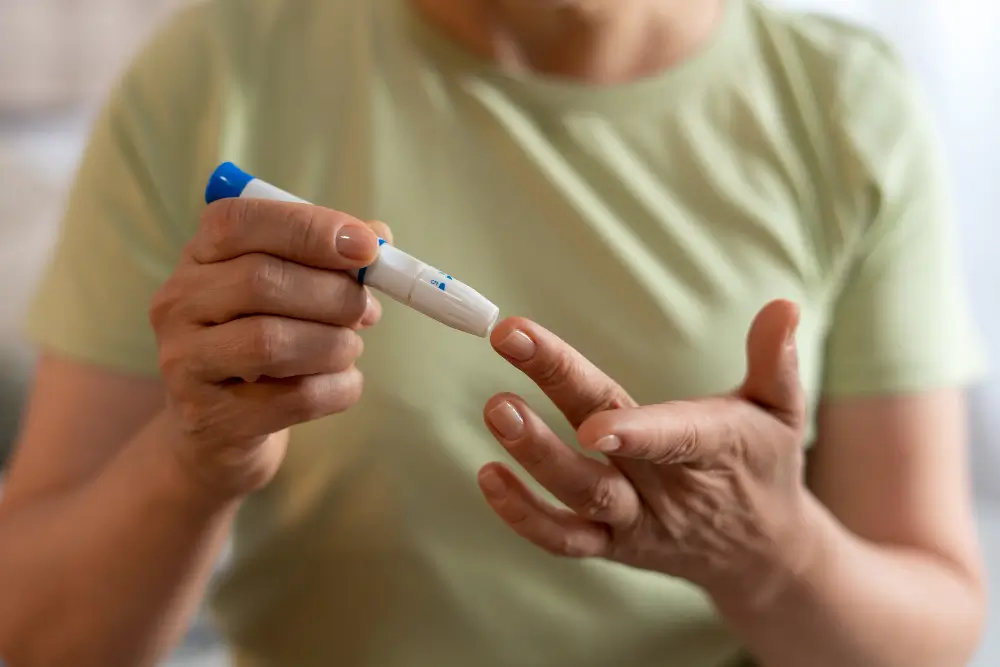
Is Ozempic the Same as Semaglutide?
Ozempic and semaglutide refer to the same compound, but they differ in name and usage. Semaglutide is the active ingredient, the actual medication that acts in the body as a GLP-1 agonist to help regulate blood glucose and promote satiety. Ozempic, on the other hand, is the brand name under which this drug is marketed, specifically for the treatment of type 2 diabetes.
While they share the same compound, there are important differences in how the drug is presented and used. Ozempic is approved in specific doses for controlling type 2 diabetes and reducing cardiovascular risk, while other commercial brands use the same medication for different therapeutic purposes. This explains why the same drug can have different names and clinical applications based on dosage and approved indications.
In all cases, it works by mimicking a natural hormone that regulates appetite, stimulates insulin release, and delays gastric emptying, helping control glucose levels and body weight. Regardless of the brand or form, it should always be used under medical supervision, as it can be associated with side effects, especially gastrointestinal ones.
Defining Semaglutide as the Active Compound
Semaglutide is the active ingredient used in several medications designed to manage type 2 diabetes and weight control. It’s not tied to a specific brand but is the molecule responsible for the therapeutic effects observed in various pharmaceutical formulations.
Aspects of semaglutide as an active ingredient:
- Type of compound: Active ingredient used in multiple approved medications.
- Clinical role: The pharmacological base for different formulations with specific indications.
- Therapeutic flexibility: It can be adapted to different clinical objectives by adjusting doses, administration forms, and target populations.
- Cross-functional use: It is used in treatments focused on metabolic control and chronic weight management.
In short, semaglutide should be viewed as the core molecule upon which several branded medications are built, not as a commercial product itself.
Describing Ozempic as a Branded Medication Using Semaglutide
Ozempic is a branded medication that uses semaglutide as the active ingredient and has been specifically developed for the treatment of type 2 diabetes in adults. Its formulation, usage guidelines, and labeling follow specific regulatory criteria.
Characteristics of Ozempic:
- Type of product: Branded medication based on semaglutide.
- Approved indication: Treatment of type 2 diabetes in adults.
- Dosage frequency: Subcutaneous injection once a week.
- Clinical focus: Primarily for glucose control.
- Additional approved benefit: Reduction of cardiovascular events in adults with type 2 diabetes and established cardiovascular disease.
In conclusion, Ozempic differs from other semaglutide formulations by its specific indication, dosing schedule, and clinical position within type 2 diabetes management.
Explaining Approved Medical Uses for Each Option
Each formulation has approved medical uses based on its presentation, dosage, and specific clinical indication. While they share the same active compound, each option is authorized to treat different conditions.
| Indication | Associated Presentation | Approved Use |
| Type 2 Diabetes | Ozempic, Rybelsus | Improve blood glucose levels alongside diet and exercise |
| Cardiovascular Risk | Ozempic | Reduce heart attack, stroke, and cardiovascular death in adults with type 2 diabetes and cardiovascular disease |
| Chronic Weight Management | Wegovy | Obesity or overweight treatment with comorbidities |
| Adolescent Use | Wegovy | Obesity in adolescents 12 years and older |
| Kidney Health | Ozempic | Reduce the risk of kidney disease progression in certain adults with type 2 diabetes |
Together, the approved uses of Ozempic and semaglutide highlight how the same compound can be applied to different clinical needs. The choice of the right option depends on the condition being treated, the approved formulation, and the patient’s characteristics, always under medical supervision due to possible side effects and contraindications.
Outlining Dosage Forms and Prescription Labeling
Semaglutide is available in different pharmaceutical forms and under various brand names, each with specific indications, doses, and prescription requirements. Understanding the available formulations and labeling is essential for proper, safe use, aligned with the corresponding clinical indication.
This medication is available in pre-filled pens with various concentrations designed to ensure precise dosing.
Available concentrations:
- 0.25 mg
- 0.5 mg (4 doses of 0.5 mg)
- 1 mg (4 doses of 1 mg)
- 2 mg (4 doses of 2 mg)
Administration and storage instructions:
- Subcutaneous injection weekly, on the same day each week, with or without food.
- Refrigerate between 2°C and 8°C before the first use.
- Once in use, it can be kept at room temperature (up to 30°C) for up to 6 weeks.
Although different medications share the same active compound, their formulations, doses, and labeling vary depending on the medical indication. Knowing the pharmaceutical forms, dosage, and usage instructions helps clarify the differences and ensures safe treatment aligned with the prescribed guidelines.
Comparing Regulation, Branding, and Clinical Presentation
While Ozempic, Wegovy, and Rybelsus contain the same active compound, they are regulated as distinct medications with clearly defined clinical indications.
Ozempic and Rybelsus are approved for treating type 2 diabetes, with Rybelsus being the oral formulation for daily use, while Wegovy is approved for chronic weight management in adults and adolescents over 12 years old with obesity or overweight and associated comorbidities.
These formulations are not interchangeable. Each one follows specific regulatory criteria, with different dosing schedules, target populations, and therapeutic goals, determining their proper clinical use.
Key Takeaways
- Semaglutide is the active compound, while Ozempic is a brand name: Semaglutide is the active ingredient responsible for the therapeutic effects seen across several medications. Ozempic is one specific branded product that contains semaglutide and is approved for the treatment of type 2 diabetes and cardiovascular risk reduction.
- They share the same mechanism but differ in approved uses: All medications containing semaglutide work by mimicking a GLP-1 hormone that helps regulate blood glucose, appetite, and gastric emptying. Despite this shared mechanism, each formulation is approved for different clinical purposes based on dose and indication.
- Semaglutide-based products are not interchangeable: Ozempic, Wegovy, and Rybelsus contain the same active compound but are regulated as distinct medications. Each has specific indications, dosing guidelines, and target populations that define how and when it should be used.
- Dosage forms and prescription labeling vary: Ozempic is administered as a weekly subcutaneous injection and is available in multiple dose strengths with defined storage and handling requirements. These differences in formulation and labeling are essential for ensuring correct and safe use.
- Clinical use depends on regulation and patient needs: The choice between semaglutide-based options depends on the approved indication and regulatory status of each product. Proper selection ensures that treatment goals align with the medication’s intended clinical purpose and usage guidelines.
FAQs
Is semaglutide better than Ozempic?
Semaglutide is the active drug, while Ozempic is a branded formulation approved specifically for type 2 diabetes. Neither is inherently “better” overall—the best option depends on the treatment goal. Ozempic is intended for diabetes control with added cardiovascular benefits, while other semaglutide formulations may be better suited for different clinical objectives.
What is the best semaglutide for weight loss?
Wegovy is considered the best semaglutide option for weight loss because it is specifically FDA-approved for chronic weight management and uses higher maintenance doses (up to 2.4 mg weekly). Other semaglutide products, such as Ozempic or Rybelsus, may cause weight loss, but they are approved for diabetes, not weight management.
Can you switch from Ozempic to semaglutide?
Yes, switching between semaglutide products is possible under medical supervision. When transitioning from Ozempic to Wegovy, the first Wegovy dose is typically administered seven days after the last Ozempic dose, ensuring continuity while adjusting to the new approved dosing schedule.
What drugs cannot be taken with semaglutide?
Semaglutide should not be combined with certain diabetes medications, such as insulin or sulfonylureas, without close medical monitoring due to an increased risk of low blood sugar. Caution is also advised with some antibiotics, blood pressure medications, hormones, steroids, alcohol, and supplements, as slowed digestion can affect how other drugs are absorbed, making full medication disclosure essential.
Sources
- Montecinos, K., Kania, B., & Goldberg, D. J. (2024). Semaglutide “Ozempic” face and implications in cosmetic dermatology. Dermatological Reviews, 5(5), e70003.
https://onlinelibrary.wiley.com/doi/abs/10.1002/der2.70003
- Palana, C., Aburumman, A., Kachungunu, C. N. K., Hocquard, A., Avila, G., Pagana, A., … & John, T. (2024). Analyzing the effects of semaglutide (Ozempic/Wegovy) on metabolism: Investigating correlations with weight reduction. J. Positive Psychol. Wellbeing, 8(4), 19-41.
Medical and Editorial Commitment
The content of this article is strictly for educational and informational purposes. It does not replace in-person professional medical diagnosis, advice, or treatment..
Read Privacy PolicyRelated Posts
Ultimate Guide to Body Mass Index (BMI): Comprehensive Analysis
More than 40% of American adults are currently classified as obese by traditional BMI standards, yet emerging research suggests that number could [...]

How to Lose 10 kg in 7 Days? Truth Explained — What a Weight Loss Clinic in Queens, NY Really Recommends
Last updated: May 26, 2026 Quick Answer: Losing 10 kg of actual body fat in 7 days is not physiologically possible without [...]