
 By Atlantic Endo Medical Review Board
Have you ever wondered why foot corns keep coming back no matter what remedies you try? Surprisingly, the answer might lie deeper than your skin. Some foot doctors suggest that a hidden vitamin deficiency could be the real cause behind persistent corns. In this article, we’ll uncover which vitamin your feet may be craving—and how restoring it could finally bring you lasting relief.
Table of Contents
Summary
Foot corns develop from repeated pressure or friction—often due to tight shoes or structural foot issues. While vitamin deficiencies, especially vitamin D, don’t directly cause corns, they can weaken bones and skin, making the feet more vulnerable to friction and callus buildup. Maintaining balanced nutrition rich in vitamins A, B, C, D, and E, staying hydrated, and practicing consistent foot care—washing, drying, moisturizing, exfoliating, and wearing proper footwear—helps prevent recurrence. Persistent or painful corns should be evaluated by a podiatrist for targeted treatment and long-term relief.
Talk to a certified Foot doctor in Queens, NY today
What Are the Main Causes of Foot Corns?
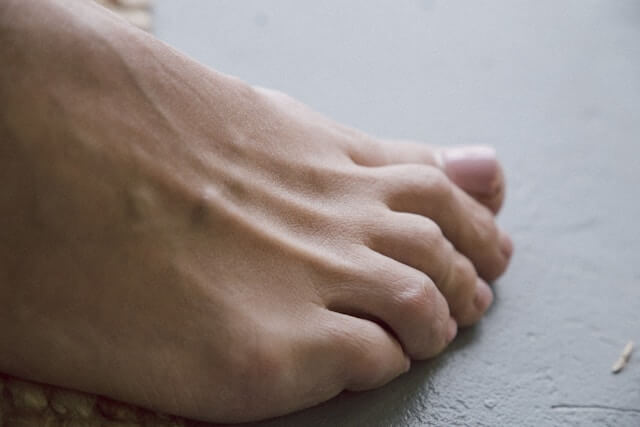
Foot corns are the body’s natural response to repeated pressure and friction, creating a thickened area of skin for protection. The most common triggers include poorly fitting shoes and uneven weight distribution. Some vitamin deficiencies, especially vitamin D, can worsen musculoskeletal problems in the feet, making pain or deformities more noticeable.
Shoes that fit poorly, high heels, or even thick seams inside the shoe can cause constant friction on certain areas of the foot. Walking without socks or wearing socks that bunch up can increase irritation. Bone deformities such as bunions or hammer toes also increase pressure in specific spots, leading to these thickened skin lesions.
A lack of vitamin D does not directly create corns. Its role in bone health is essential, and low levels can weaken bones and soft tissues, causing posture changes or discomfort that alters how weight is placed on the foot. This can increase friction and pressure, indirectly contributing to corns. Keeping healthy vitamin D levels helps maintain musculoskeletal balance and reduces related complications.
Identifying the Early Signs of Foot Corn Formation
Recognizing the first signs of a developing corn allows timely action to stop progression and prevent pain. Corns form slowly as a result of repeated friction, causing the skin to thicken as protection. Watching for early changes in texture and sensitivity helps avoid complications.
Early symptoms to watch for
- Hardened, thickened skin: The first visible sign is an area of skin that feels thicker or stiffer than normal, often at friction points such as toes or the ball of the foot.
- Dry or scaly texture: The surface may look dry, waxy, or flaky along with thickening, signaling frequent rubbing.
- Raised bump: A small bump or slightly elevated patch may appear where pressure is most constant. It may feel firm or rough to the touch.
- Tenderness: Corns may not hurt initially, but pressure while walking can cause discomfort or sensitivity as the skin thickens.
- Irritation or redness: Redness can appear around the area, especially when friction continues.
Spotting these early signs makes it easier to prevent the corn from hardening or becoming painful. Adjusting footwear, using proper insoles, or protecting pressure points can stop it from progressing.
Analyzing Vitamin Deficiencies Linked to Skin Health
Vitamin deficiencies can directly affect the skin, including the feet, where the skin is constantly exposed to friction and pressure. Corns form mainly from mechanical causes, but certain deficiencies can make the skin drier, more sensitive, and slower to repair, increasing the chance of irritation and thickening.
| Vitamin | Effects of Deficiency | Common Skin Manifestations |
| Vitamin A | Dry skin and reduced elasticity | Roughness, flaking, reduced smoothness |
| Vitamin B6 | Inflammatory skin issues | Seborrheic dermatitis, redness, mouth cracks, swollen tongue |
| Vitamin B12 | Affects cell regeneration and pigmentation | Hyperpigmentation, vitiligo, mouth sores |
| Other B vitamins | Hydration and repair problems | Dry skin, painful tongue, lip inflammation |
| Vitamin C | Slow wound healing and low collagen | Premature aging, poor healing, weaker skin texture |
| Vitamin D | Linked to skin balance and bone health | Dryness, dermatitis, psoriasis, acne |
| Vitamin E | Reduced antioxidant protection | Fragile, dry skin with lower defense |
Maintaining optimal vitamin levels supports healthy skin, improves recovery, and strengthens the skin’s ability to handle friction and pressure. Vitamin deficiencies don’t cause corns, but they can worsen their appearance and slow healing. A balanced diet and professional guidance help keep the outer skin layer strong and healthy.
Evaluating Dietary Habits and Foot Care Practices
Evaluating diet and daily foot care is essential for maintaining good foot and overall health. Feet carry body weight daily, so they need internal nourishment and external care. A balanced diet, proper hygiene, and consistent maintenance prevent calluses, dryness, and other foot issues.
Reviewing eating habits helps determine whether the body receives the vitamins, minerals, and nutrients needed for healthy skin, muscles, and bones in the feet.
Diet review
A balanced diet rich in vitamins, minerals, and antioxidants supports healthy tissues. Vitamins A, C, D, and B-complex keep skin smooth, flexible, and capable of proper regeneration.
Proper hydration
Drinking enough water keeps the skin on the feet hydrated and prevents dryness or flaking that can worsen corns. Hydrated skin handles friction better and is less likely to irritate.
Body weight control
Maintaining a healthy weight reduces constant pressure on the feet and lowers the risk of friction points that lead to corns or calluses.
Poor diet can show up as skin problems, bone weakness, or low muscle energy, all of which affect foot health. Neglecting physical foot care can also create issues that affect mobility. Combining a healthy diet with good care routines improves foot comfort and overall well-being.
Reviewing diet and daily care habits keeps feet strong, healthy, and free of discomfort long-term.
Applying Daily Care Adjustments
Reducing corns requires combining daily foot care with smart nutritional choices. Caring for the skin inside and out softens hardened areas, prevents recurrence, and keeps feet healthy.
Consistent, proper foot care helps prevent dead skin buildup and reduces friction that leads to corns.
Daily care steps
- Hygiene: Wash feet daily with warm water and mild soap, paying attention to the spaces between the toes.
- Drying: Dry thoroughly, especially between toes, since moisture encourages fungal growth.
- Moisturizing: Apply a foot moisturizer daily to keep skin soft and flexible. Avoid placing cream directly on existing corns.
- Exfoliation: Use a pumice stone or foot file to gently exfoliate dead skin. Do this carefully to avoid irritating healthy skin.
- Footwear: Choose breathable, comfortable shoes that don’t squeeze the foot. Rotate shoes regularly to avoid constant pressure in the same area.
- Protection: Use insoles or silicone protectors to reduce pressure. Avoid walking barefoot in public places to prevent irritation and infection.
Balancing nutrition and daily care strengthens the feet, improves skin texture, and prevents the thickening that leads to corns. Keeping a consistent routine—washing, drying, moisturizing, and exfoliating—paired with a vitamin-rich diet and proper hydration helps maintain soft, healthy, comfortable feet.
Maintaining Long-Term Monitoring and Prevention
Long-term monitoring and prevention help keep corns from returning and maintain healthy skin. These thickened areas usually come from continuous pressure or friction, whether caused by shoes or foot structure. Consistent care and preventive tools reduce the risk of new corns and improve comfort when walking.
Daily prevention and monitoring
- Proper footwear: Choose comfortable shoes with enough toe space. Buying them later in the day offers a more accurate fit. Avoid high heels or narrow-toe designs that increase pressure.
- Socks: Use soft socks without thick seams that can cause friction.
- Hydration: Apply a daily foot moisturizer to keep the skin soft and flexible. Avoid applying cream directly to corns or using products with salicylic acid without professional advice.
- Cleaning and exfoliation: Wash with warm water and mild soap, dry well, especially between toes, and exfoliate carefully to remove dead skin.
Tools and protectors
| Item | Function | Main Benefit |
| Felt protectors or insoles | Reduce friction and relieve pressure | Prevent pain and skin thickening |
| Toe separators or silicone pads | Reduce rubbing between toes | Prevent interdigital corns |
| Shoe rotation | Reduces prolonged pressure in one area | Allows feet to rest and balance pressure |
If corns persist or become painful, a podiatrist can evaluate the cause and provide custom insoles or specific treatments, especially if foot deformities or pressure issues are present. Professional guidance helps maintain effective, long-term prevention and supports balanced and comfortable movement.
Key Takeaways
- Ill-fitting shoes, high heels, or bone deformities like bunions and hammer toes can create constant rubbing that thickens the skin as a defense. While vitamin D deficiency doesn’t directly cause corns, it can weaken bones and alter posture, indirectly increasing pressure points.
- Lack of vitamins A, B6, B12, C, D, and E can cause dry, fragile, or slow-healing skin, making it more prone to irritation and thickening. Maintaining optimal vitamin levels strengthens skin defenses, helping reduce the recurrence and discomfort of foot corns.
- Signs like hardened, dry, or raised skin, redness, and tenderness indicate the start of corn formation. Identifying these early changes allows for timely action—adjusting shoes, adding insoles, or moisturizing—to stop progression.
- A nutrient-rich diet supports healthy skin and bone structure, while proper foot hygiene, hydration, exfoliation, and breathable footwear prevent friction buildup. Consistent care keeps feet smooth and pain-free.
- Using protective insoles, soft socks, and alternating shoes minimizes pressure and friction. Persistent or painful corns should be evaluated by a podiatrist for personalized treatment and prevention strategies.
FAQs
What is the term for a foot doctor?
A foot doctor is commonly known as a podiatrist. This medical professional specializes in diagnosing, treating, and preventing conditions that affect the feet, ankles, and lower limbs.
What is a chiropodist vs podiatrist?
Both terms refer to professionals who treat foot and lower limb conditions. The term “chiropodist” is older and more commonly used in some countries, while “podiatrist” is the modern term used internationally. Today, both titles generally describe the same profession, though the terminology may depend on regional regulations.
What is the difference between a podiatrist and a foot doctor?
There is no real difference—a podiatrist and a foot doctor are the same. Both terms describe a healthcare specialist trained to care for the feet and treat problems like corns, calluses, infections, and structural deformities.
What will a podiatrist do?
A podiatrist examines and treats foot and ankle issues such as calluses, bunions, heel pain, and ingrown toenails. They may also provide custom orthotics, recommend proper footwear, and offer preventive care or minor surgical procedures to improve mobility and comfort.
Sources
- Holick, M. F. (2024). Vitamin D and bone health: what vitamin D can and cannot do. Advances in Food and Nutrition Research, 109, 43-66.
- Charoenngam, N., Shirvani, A., & Holick, M. F. (2019). Vitamin D for skeletal and non-skeletal health: What we should know. Journal of clinical orthopaedics and trauma, 10(6), 1082-1093.
You may also like
- https://atlanticendomd.com/how-do-i-choose-a-good-podiatrist/
- https://atlanticendomd.com/how-much-does-a-podiatrist-cost/
- https://atlanticendomd.com/which-vitamin-deficiency-causes-foot-corn-explained/
Medical and Editorial Commitment
The content of this article is strictly for educational and informational purposes. It does not replace in-person professional medical diagnosis, advice, or treatment..
Read Privacy PolicyRelated Posts
Treatment for Neuropathy in Legs and Feet: A Complete Guide for Patients Seeking in Queens, NY
Last updated: June 11, 2026 Quick Answer: Diabetic neuropathy in the legs and feet is nerve damage caused by chronically high blood [...]

Vitamin D3 vs D2 for Bone Health: Which Is Better? A Guide to Bone Specialist Services
Last updated: June 4, 2026 Quick Answer: Vitamin D3 (cholecalciferol) is the superior choice for bone health. It raises and maintains blood [...]