
 By Atlantic Endo Medical Review Board
What if some of the foods you eat every day are quietly working against your heart? You might be surprised to learn that certain “harmless” staples are the very items specialists warn about most. In this article, a trusted Cardiologist In Queens reveals the truth behind What are Foods Cardiologists Say Not to Eat?—and why avoiding them could change everything.
Table of Contents
Summary
Cardiologists warn that foods high in saturated and trans fats, added sugars, refined grains, and sodium increase LDL cholesterol, blood pressure, inflammation, and overall cardiovascular risk. Fried foods, sugary drinks, processed meats, refined grains, and high-sodium snacks are especially harmful. Replacing them with whole grains, fresh produce, healthier cooking methods, and lower-sodium, lower-sugar options supports heart health and reduces the risk of heart disease and stroke.
Insights often shared by a Cardiologist In Queens
Why do Cardiologists Warn Against Certain Foods?
Cardiologists warn about certain foods because they contain high levels of saturated fats, trans fats, sodium, and refined sugars. These substances elevate “bad” cholesterol (LDL), increase blood pressure, and cause inflammation in the body. As a result, they directly damage arteries, increasing the risk of heart attacks, strokes, and heart disease.
Some of the most commonly warned-against foods are staples in many modern diets, such as processed and red meats like sausages, bacon, and ribs, which are rich in saturated fats. Fried and ultra-processed foods, like fast food and packaged snacks, contain trans fats and high levels of sodium.
Additionally, added sugars and refined carbohydrates—found in sugary beverages, cakes, white bread, and pizzas—cause blood sugar spikes. High-sodium products, like canned soups and sauces, elevate blood pressure.
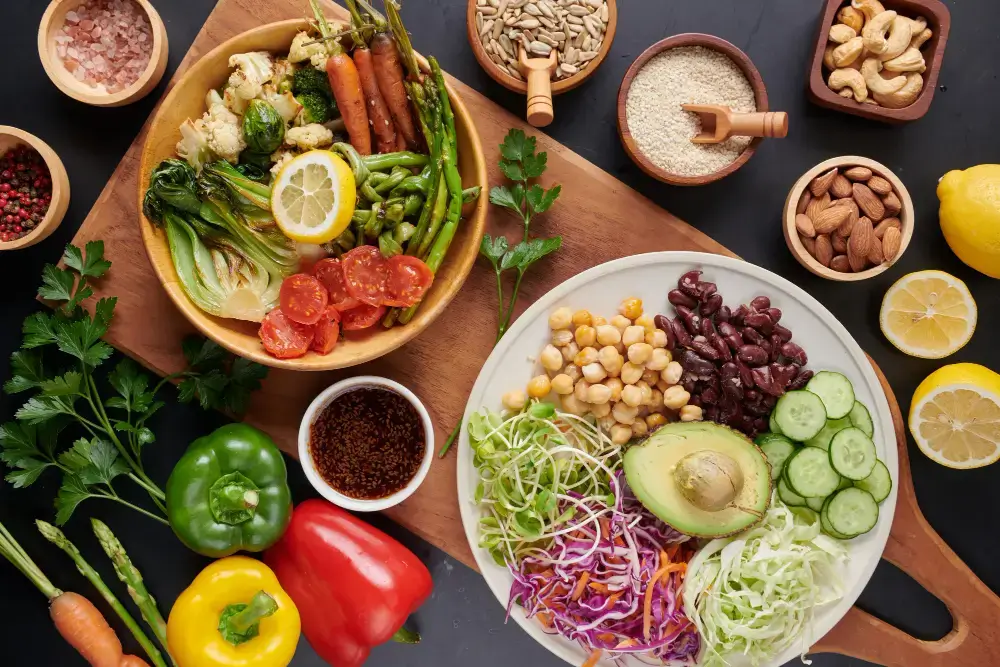
Instead of these products, specialists recommend prioritizing a diet rich in fiber, healthy fats, and plant-based proteins. This type of diet contributes to cardiovascular health and reduces the risk factors associated with heart disease. Adopting these changes helps prevent complications and also improves the overall function of the cardiovascular system.
Reducing Consumption of Fried Foods for Heart Health
Cutting back on fried foods is vital for protecting the heart, as their high content of saturated fats and trans fats raises “bad” cholesterol (LDL), increasing cardiovascular risk by up to 28%. Studies show that foods like French fries, fried chicken, and other fried products, which are high in cholesterol, are linked to an increased risk of heart disease, particularly when consumed regularly.
Strategies to reduce fried food consumption:
- Alternative cooking methods: Replace frying with baking, grilling, steaming, or using an air fryer.
- Limit frequency: Reduce fast food, breaded, and industrial foods, which are often high in trans fats, sodium, and calories.
- Use quality oils: Prefer olive or canola oil instead of solid saturated fats like butter, lard, coconut oil, or palm oil.
- Drain excess oil: Place fried food on absorbent paper before consumption.
- Avoid reusing oil: Refrain from reheating the same oil multiple times to prevent degradation and the formation of harmful substances.
- Control portions: Moderate consumption and pair meals with salads or fresh vegetables to balance the diet.
- Choose healthier options when dining out: Opt for grilled or steamed foods instead of fried, breaded, or crispy options.
Incorporating these changes helps prevent overweight, maintain healthy cholesterol levels, and reduce blood pressure, all of which are essential for decreasing cardiovascular disease risk and promoting heart health.
Limiting Sugary Drinks to Protect Cardiovascular Function
Drastically reducing the consumption of sugary drinks, such as sodas, industrial juices, and energy drinks, is vital for protecting cardiovascular health. Their high sugar and fructose content elevate the risk of hypertension, high triglycerides, heart attacks, and type 2 diabetes. These drinks cause inflammation, increase LDL cholesterol, and damage blood vessels, so replacing them with water is a primary prevention strategy for maintaining a healthy heart.
Impact of Sugar on Cardiovascular Health
| Aspect | Description |
| Mechanism of damage | Excess sugar causes sudden spikes in glucose and insulin, which the liver converts into fat, raising triglycerides and LDL cholesterol, and causing systemic inflammation that blocks arteries. |
| Direct risk | Drinking one or more cans of soda daily increases the risk of hypertension and high triglycerides by up to 22%. |
| Mortality | Sugary drinks are linked to over 330,000 deaths annually from diabetes and cardiovascular diseases worldwide. |
| Long-term impact | Reducing sugar consumption from childhood lowers the risk of heart attacks, heart failure, and strokes in adulthood. |
Strategies to Limit Consumption
- Read labels: Identify added sugars in energy drinks, juices, and sodas, even those that seem healthy.
- Follow recommended limits: No more than 6 teaspoons daily for women (100 calories) and 9 for men (150 calories).
- Smart substitution: Opt for water, sparkling water, infusions, or coffee without added sugar.
- Moderation in alternatives: Keep in mind that artificially sweetened drinks are also associated with higher risks of heart failure.
Reducing free sugar intake and limiting sugary drinks is essential for decreasing inflammation, controlling cholesterol and blood pressure, and significantly reducing short- and long-term cardiovascular disease risk.
Avoiding Processed Meats to Lower Heart Disease Risk
Reducing or eliminating the consumption of processed meats, such as sausages, bacon, and cold cuts, is an important step in protecting cardiovascular health. Eating just 50 grams of these meats daily can increase the risk of coronary diseases by up to 42%.
Impact of Processed Meats on Heart Health
- High risk: Eating one sausage or a couple of slices of processed ham significantly increases the risk of heart disease, stroke, and diabetes.
- Harmful components: Processed meats contain high amounts of salt and saturated fats, contributing to atherosclerosis (narrowing of arteries).
- Additives and processing: Smoking, curing, and the addition of chemical preservatives (like nitrites) increase the risk compared to unprocessed red meat.
Benefits of Avoiding Processed Meats
- Reduced cardiovascular risk: Replacing processed meats with plant-based proteins, such as nuts, legumes, or soy, can lower the risk of coronary diseases by up to 47%.
- Improved blood pressure: Reducing sodium intake helps lower blood pressure.
Avoiding processed meats decreases the risk of coronary disease and improves blood pressure, becoming a key strategy for maintaining long-term heart health.
Cutting Back on Refined Grains to Maintain Healthy Arteries
Reducing the consumption of refined grains like white bread, white pasta, and white rice is key to maintaining healthy arteries. Replacing them with whole grains adds fiber, which helps lower cholesterol, improve blood pressure, and reduce cardiovascular risk. At least half of the grains consumed daily should be whole for more nutrients and protective fiber.
Whole grains, by retaining bran and germ, provide fiber and nutrients that help slow the absorption of fats and sugars, preventing their accumulation in the arteries. It’s recommended to consume at least three servings per day (around 85–100g).
Practical Actions for Healthier Arteries
- Simple swap: Replace white rice with brown rice and white flour with whole wheat in bread and pasta.
- Healthy options: Include oats, barley, buckwheat, brown rice, quinoa, and popcorn.
- Avoid refined products: Limit baked goods, cookies, and pastries made with refined flour and trans fats.
Prioritizing whole grains and reducing refined ones increases fiber intake, improves cardiovascular health, and contributes to healthier arteries in the long run.
Steering Clear of High-Sodium Snacks to Prevent Hypertension
Avoiding high-sodium foods helps prevent hypertension and protects cardiovascular health. Limiting packaged snacks, processed meats, canned foods, salty condiments, and cured cheeses helps keep blood pressure under control. It’s recommended not to exceed 1,500–2,300 mg of sodium per day.
Choosing healthy alternatives like fresh fruits and vegetables, using herbs and spices for flavoring, reading low-sodium labels, and cooking at home can reduce salt intake. Also, rinsing canned foods like beans or vegetables helps decrease their sodium content.
Reducing sodium in the diet contributes to preventing high blood pressure, lowering the risk of heart disease and stroke. Consistently maintaining these habits strengthens long-term cardiovascular prevention.
Key Takeaways
- Certain everyday foods significantly increase cardiovascular risk: Foods high in saturated fats, trans fats, added sugars, refined grains, and sodium contribute to elevated LDL cholesterol, higher blood pressure, and increased inflammation. These changes directly damage the arteries and raise the likelihood of heart attacks, strokes, and other forms of heart disease, making dietary choices a central factor in cardiovascular health.
- Fried foods and processed meats are strongly linked to heart disease: Regular consumption of fried foods can increase cardiovascular risk by up to 28%, while eating as little as 50 grams of processed meat daily may raise coronary risk by 42%. Choosing healthier cooking methods and replacing processed meats with plant-based proteins can significantly reduce these risks and support long-term heart health.
- Sugary drinks have serious short- and long-term consequences: Excess sugar intake raises triglycerides, LDL cholesterol, and systemic inflammation, increasing the risk of hypertension and type 2 diabetes. Drinking one or more sugary beverages daily is associated with higher cardiovascular risk, while reducing sugar consumption—especially from an early age—lowers the chances of future heart complications.
- Refined grains contribute to arterial damage, while whole grains protect the heart: Replacing white bread, pasta, and rice with whole grains increases fiber intake, which helps lower cholesterol and improve blood pressure. Consuming at least three daily servings of whole grains supports healthier arteries and reduces overall cardiovascular and mortality risk.
- Excess sodium drives hypertension and cardiovascular complications: Packaged snacks, processed foods, cured meats, and salty condiments can quickly push sodium intake beyond recommended limits of 1,500–2,300 mg per day. Opting for fresh foods, reading labels carefully, cooking at home, and reducing added salt are practical strategies to prevent high blood pressure, heart disease, and stroke.
FAQs
What are the 10 foods a cardiologist would never eat?
Cardiologists typically avoid highly processed foods such as bacon, sausage, hot dogs, salami, fried fast foods, soda, sugary drinks, white bread, sugary cereals, and pastries. These foods are high in sodium, trans fats, refined carbs, and added sugars, which raise LDL cholesterol, blood pressure, and inflammation—key risk factors for heart disease and stroke.
What are the five toxic foods that destroy memory?
Foods linked to memory decline include artificial sweeteners, trans fats, excessive alcohol, high-sodium foods, and red meat. Saturated fats (like those in butter and full-fat dairy) have also been associated with brain damage. These items contribute to inflammation and vascular damage, which can negatively affect cognitive function over time.
What are the three foods a cardiologist will say to avoid?
Most cardiologists advise avoiding processed meats, sugary drinks, and fried foods high in trans fats. These foods are loaded with sodium, unhealthy fats, and sugar, which increase bad cholesterol (LDL), blood pressure, and inflammation—raising the risk of clogged arteries, heart attacks, and strokes.
What do heart surgeons say not to eat for breakfast?
Heart specialists commonly recommend avoiding breakfast meats like bacon and sausage, as well as pastries and pancakes. These options are high in saturated fat and refined carbohydrates, which can increase LDL cholesterol, promote inflammation, and damage arteries when consumed regularly.
Sources
- Kannappan, S., & Gopalan, R. (2025). Beyond ‘Low Salt, Low Fat’: Reimagining Nutrition Advice in the Cardiac Discharge Summary. American Journal of Preventive Cardiology, 101321.
https://www.sciencedirect.com/science/article/pii/S2666667725003964
- Pallazola, V. A., Davis, D. M., Whelton, S. P., Cardoso, R., Latina, J. M., Michos, E. D., … & Welty, F. K. (2019). A clinician’s guide to healthy eating for cardiovascular disease prevention. Mayo Clinic Proceedings: Innovations, Quality & Outcomes, 3(3), 251-267.
https://www.sciencedirect.com/science/article/pii/S2542454819300724
Medical and Editorial Commitment
The content of this article is strictly for educational and informational purposes. It does not replace in-person professional medical diagnosis, advice, or treatment..
Read Privacy PolicyRelated Posts
Cardiomyopathies: What They Are, How They Are Diagnosed, and What Patients Need to Know
More than 1 in 500 people carry a genetic variant linked to cardiomyopathies, yet most are diagnosed only after symptoms appear, sometimes [...]
What Not to Do Before a Heart Calcium Test? A Complete Pre-Scan Guide
Nearly half of all adults in the United States have some degree of cardiovascular disease, yet a significant number are unaware of [...]